Guava
About Guava
1. Appearance:
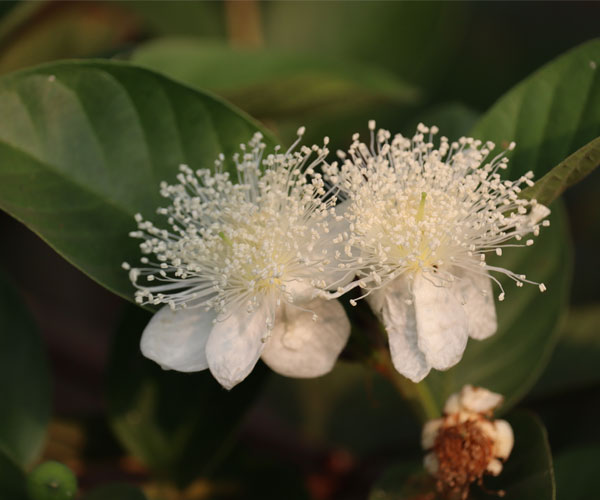
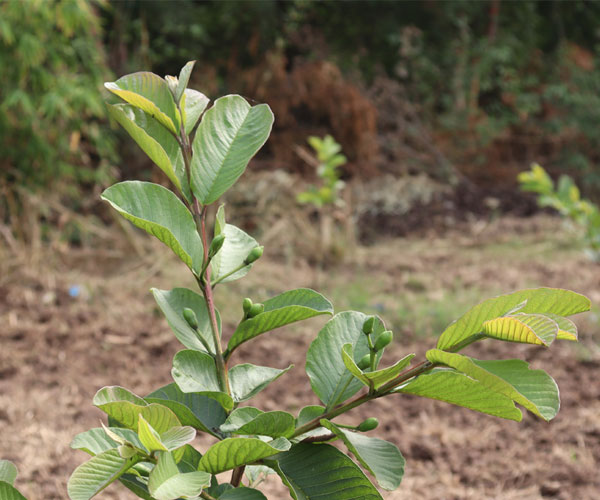
Guava trees are relatively small, usually reaching a height of 20 to 33 feet (6 to 10 meters). The leaves are evergreen and elliptical in shape. The bark is smooth, mottled, and greenish or reddish-brown.
2. Fruit:
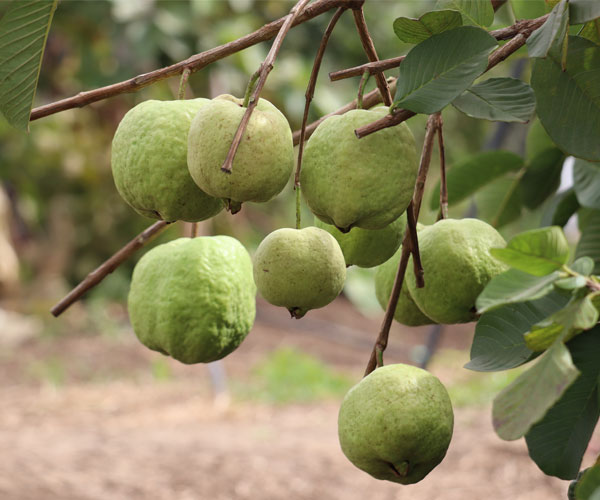
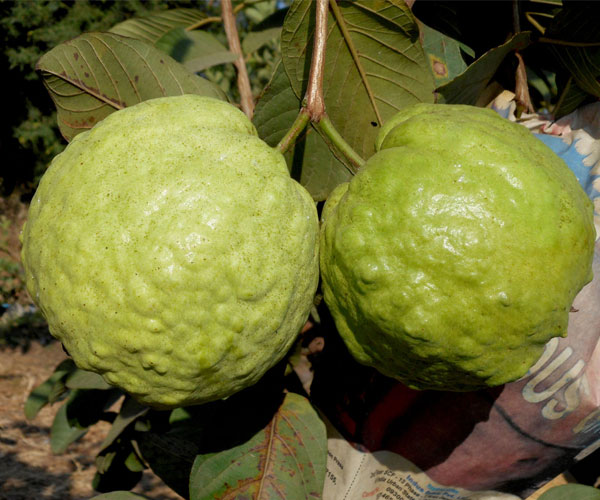
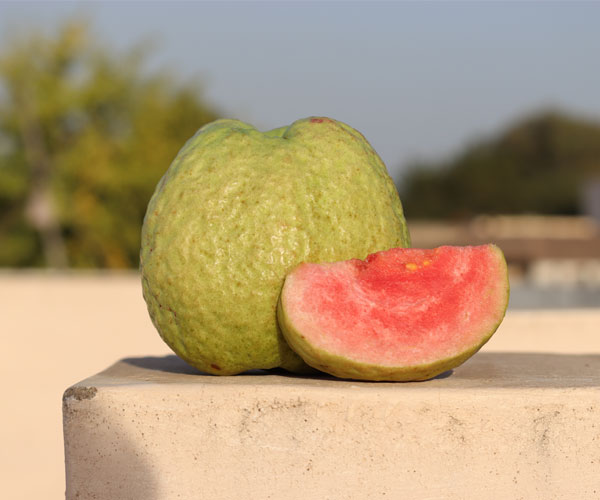
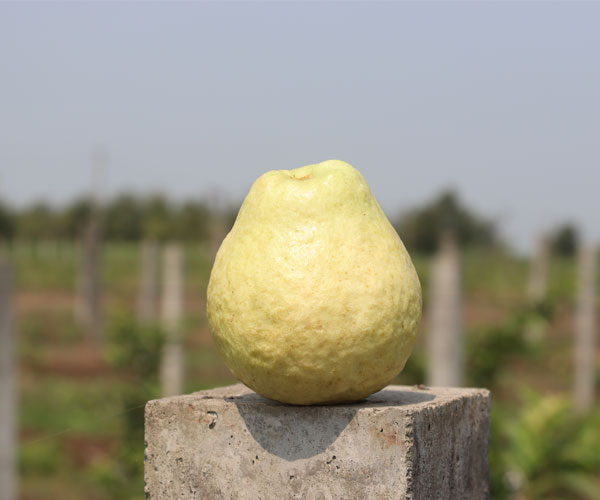
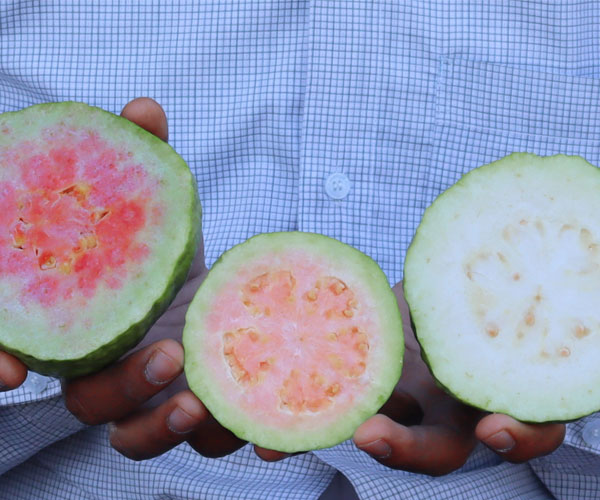
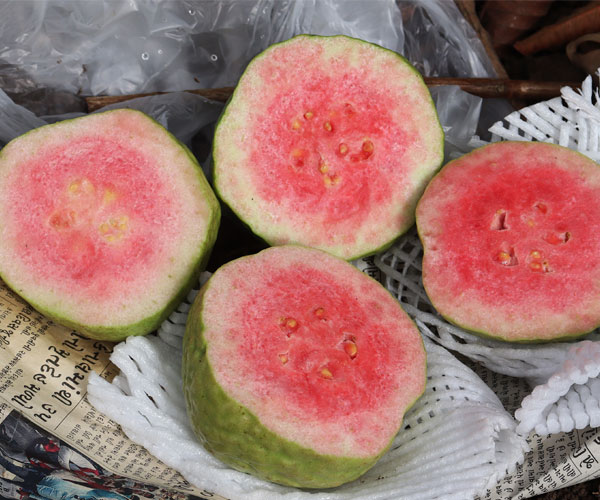
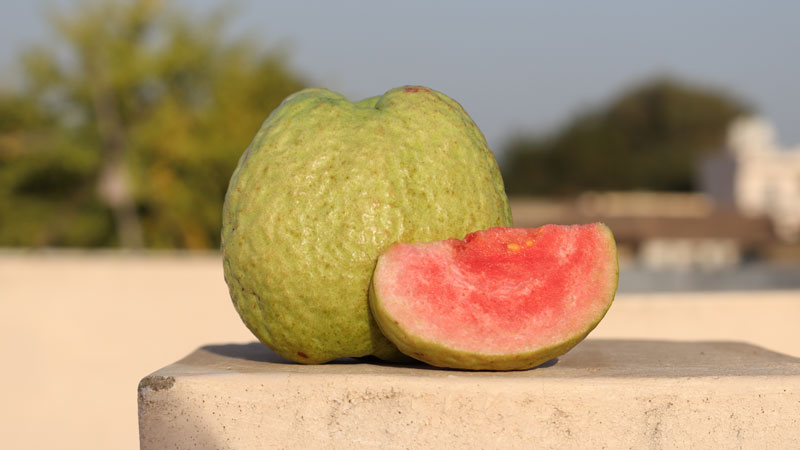
Guava trees produce round or pear-shaped fruits that can vary in size, typically around 2 to 4 inches in diameter. The skin can be green, yellow, or maroon, depending on the variety, and it’s often edible. The flesh is either white or pink, with small seeds at the center.
3. Varieties:
There are several varieties of guava, with variations in taste and texture. The most common types include white-fleshed, pink-fleshed, and seedless guavas.
4. Growth Conditions:
Guava trees thrive in tropical and subtropical climates with warm temperatures. They prefer well-drained, sandy loam soil.
5. Propagation:
Guava trees can be grown from seeds, but it’s more common to propagate them from cuttings or by grafting. This ensures that the new tree retains the desirable characteristics of the parent plant.
6. Uses:
Guava fruits are enjoyed fresh, in smoothies, and used in a wide range of culinary applications, from jams and jellies to desserts. The leaves of the guava tree are also used for various medicinal and culinary purposes.
7. Health Benefits:
Guavas are rich in vitamin C, dietary fiber, and antioxidants. They are known to support immune health, aid digestion, and promote skin health.
8. Production :
In India guava is mainly cultivated in states like Uttar Pradesh, Madhya Pradesh, Bihar, Gujarat, Maharashtra, Tamil Nadu, Andhra Pradesh, Karnataka, and other states also produce guava.
9. UHDP technique :
According to good consultancy services, UHDP technique can be used to produce more fruit in less space.
10. Market :
Guava is a favorite fruit of the average people due to which it is in demand in the national and international markets and the farmers who cultivate it get good returns.
11. Plant Life :
Depending on good crop practices, the guava plant can be harvested for 15 to 20 years after planting.
Guava trees are popular for their delicious fruits and can be a valuable addition to tropical and subtropical gardens or orchards.
About Nutritional value of Guava and its health benefit
Nutritional Value of Guava (per 100g serving) :
– Calories : 68 kcal
– Carbohydrates : 14 g
– Dietary Fiber : 5.4 g
– Sugars : 9 g
– Protein : 2.6 g
– Fat : 1 g
– Vitamin C : 228 mg (about 240% of the daily recommended intake)
– Vitamin A : 624 IU (about 12% of the daily recommended intake)
– Folate (Vitamin B9) : 49 mcg (about 12% of the daily recommended intake)
– Potassium : 417 mg
– Calcium : 18 mg
– Iron : 1 mg
– Magnesium : 22 mg
– Phosphorus : 40 mg
Health Benefits of Guava :
1. Rich in Vitamin C :
Guava is one of the richest sources of vitamin C, which is essential for a healthy immune system, skin health, and wound healing.
2. High in Dietary Fiber :
Guava is a good source of dietary fiber, aiding in digestion, preventing constipation, and promoting a healthy digestive system.
3. Boosts Immune System :
The high vitamin C content in guava helps boost the immune system, preventing common illnesses like colds and flu.
4. Aids Digestion :
Guava’s dietary fiber content aids digestion and promotes regular bowel movements, preventing constipation.
5. Supports Heart Health :
Guava contains potassium, which helps regulate blood pressure. The fiber and antioxidants in guava also contribute to better heart health.
6. Rich in Antioxidants :
Guava is rich in antioxidants like vitamin C and flavonoids, which neutralize free radicals in the body, reducing the risk of chronic diseases and cancer.
7. Helps Manage Diabetes :
Guava has a low glycemic index and high fiber content, making it a good fruit choice for people with diabetes. It helps regulate sugar levels in the blood.
8. Improves Skin Health :
Vitamin C and antioxidants in guava contribute to healthy and radiant skin. Guava can also help in treating acne and improving overall skin texture.
9. Aids Weight Loss :
Guava is low in calories and high in fiber, making it a filling snack that aids in weight loss by promoting satiety.
10. Improves Eyesight :
Guava contains vitamin A, which is essential for good eyesight and helps prevent eye-related disorders.
Remember that the nutritional content can vary slightly depending on the variety and ripeness of the guava. Including guava in your diet can be a delicious way to enhance your overall health and well-being.
How can Guava be used?
1. Eating Fresh :
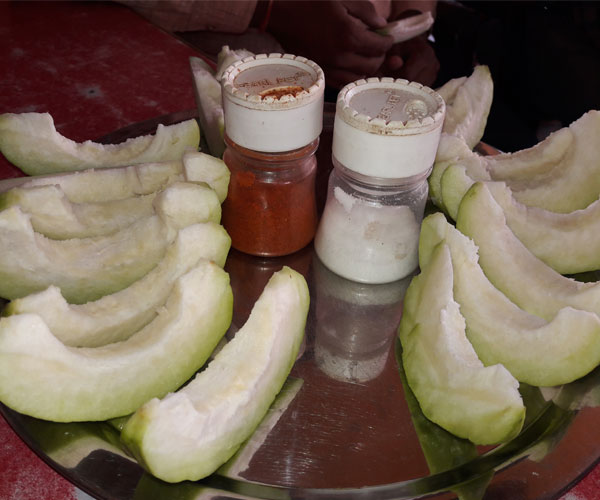
Guava can be eaten fresh by simply washing it and biting into it like you would with an apple. Depending on the variety, the skin can be either green or yellow and is usually edible.
2. Juice :
Guava juice is popular and easy to make. Simply remove the seeds, blend the flesh, and strain the juice. You can also mix guava juice with other fruits to create delicious and refreshing blends.
3. Smoothies :
Guava adds a unique flavor and a punch of nutrients to smoothies. Blend guava with yogurt, other fruits like strawberries or bananas, and some ice to create a creamy and nutritious smoothie.
4. Jams and Preserves :
Guava is high in pectin, making it perfect for jams, jellies, and preserves. You can cook guava with sugar and lemon juice to make a sweet and tangy jam.
5. Sauces and Dressings :
Guava sauce can be made by cooking guava with sugar and water until it thickens. This sauce can be used as a topping for desserts or a glaze for meat dishes. Guava can also be used in salad dressings for a unique tropical flavor.
6. Dried Guava :
Guava slices can be dried and preserved. Dried guava makes a nutritious and tasty snack.
7. Ice Cream and Sorbet :
Guava-flavored ice cream and sorbet are popular desserts in many tropical regions. The natural sweetness and aroma of guava make these frozen treats flavorful and delightful.
8. Baked Goods :
Guava can be used in baking. You can add guava pieces to muffins, cakes, and pastries to enhance their taste and add a tropical twist.
9. Tea :
Guava leaves are often used to make herbal tea. These leaves are believed to have various health benefits and are used in traditional medicine in some cultures.
10. Chutney :
Guava chutney, made with guava, spices, and sugar, can be served as a condiment with savory dishes. It adds a sweet and tangy flavor to your meals.
Remember to wash the guava thoroughly before using it, especially if you plan to eat the skin, and remove the seeds if you want a smoother texture in your dishes and beverages.
How much is produced in guava cultivation?
What is the market scope of guava in India?
Guava cultivation and the market for guava products have been expanding in recent years, and it offers opportunities for both small-scale and commercial growers. However, market conditions can vary depending on factors like region, season, and the type of guava produced.
What type of soil is suitable for the cultivation of Guava
1. Well-Drained Soil :
Guava plants do not tolerate waterlogged conditions. They need soil that drains well to prevent water stagnation around the roots, which can lead to root rot.
2. Slightly Acidic to Neutral pH :
Guava plants prefer slightly acidic to neutral soil with a pH range between 5.5 and 7.5. Soil pH outside this range can affect nutrient availability to the plant.
3. Fertile Soil :
Guava plants grow well in fertile soil rich in organic matter.
4. Sandy Loam Soil :
Sandy loam soil, which is a mixture of sand, silt, and clay, is considered ideal for guava cultivation. It provides good drainage while retaining enough moisture for the plant.
5. Adequate Drainage :
Proper drainage is crucial. Guava plants do not do well in waterlogged conditions. If your soil has drainage issues, You can take advice from the crop consultant of the Organic clinic team to soil improvement strategies .
6. Saline or Alkaline Soils :
Guava plants are sensitive to saline and alkaline soils. For this type of soil you should go with a Land analytic report that is good crop practice.
It’s always a good practice to conduct a soil test and Land analytic report before planting guava or any other fruit-bearing plants. A soil test can provide specific information about the soil’s pH, nutrient content, and drainage characteristics, allowing you to make necessary amendments to create an optimal growing environment for guava plants. Additionally, consulting with an Organic clinic expert team can provide valuable insights into the specific soil requirements in your region.
What type of water is suitable for the cultivation of Guava
Environment criteria for Guava
1. Climate :
Guava thrives in tropical and subtropical regions. It requires a warm climate with plenty of sunshine. The ideal temperature range for guava cultivation is between 20°C to 40°C. Guava trees are sensitive to frost, so they should be protected from cold temperatures.
2. Sunlight :
Guava trees require full sun to produce healthy fruit. They need at least 6 to 8 hours of direct sunlight daily. Insufficient sunlight can result in poor fruiting and weak growth.
3. Rainfall :
Guava can tolerate short periods of drought once established, but it benefits from regular rainfall. In regions with insufficient rainfall, supplementary irrigation is essential.
4. Wind :
Strong winds can damage guava trees and affect fruit production. Consider windbreaks or planting in a location protected from strong gusts.
By ensuring these environmental criteria are met, you can successfully grow guava trees and enjoy a bountiful harvest of delicious fruits.
Give information about the variety of Guava
Jarvi Red-1
Thai Guava
Taiwan Pink Guava
L 49 Guava
Lalit Guava
Hissar safeda
Barafkhana Guava
Give information about Guava cultivation method
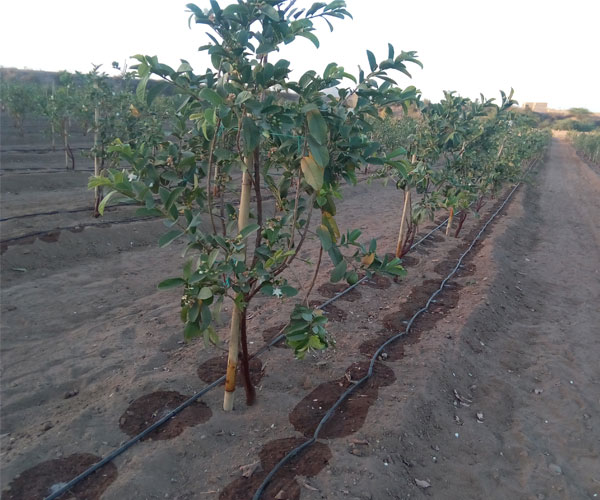
1. Selecting a Suitable Location :
Guava trees require a sunny location to thrive. They need at least 6 hours of direct sunlight daily. The soil should be well-draining and rich in organic matter.
2. Choosing the Right Variety :
There are different varieties of guava available, so choose the one that is best suited for your climate and purpose (eating fresh, processing, etc.). Some popular varieties include Jarvi red, jarvi red-1, Thai guava, Taiwan pink, Lucknow 49, and Arka Mridula and etc.
3. Planting Guava :
– Planting :
Guava is usually propagated through seeds or Grafted plant. use stongar rootstock in your variety”s grafted plants.
– Planting time Basal dose program
Prepare a good basal dose fertilizer program as per soil Testing report to maintain the amount of organic carbon while planting new crops, for more information you can contact the organic clinic team.
4. Mulching :
– Apply a layer of organic mulch around the base of the guava plants to conserve soil moisture and suppress weed growth.
5. Watering :
Guava trees need regular watering, especially during dry spells. However, water stagnation should be avoided to prevent root rot. Young plants need more frequent watering than mature ones.
6. Support :
– Provide support to young guava plants if they are not able to stand on their own.
7. Pruning and Training :
Pruning is essential for guava trees to maintain their shape and encourage healthy growth. Remove dead or diseased branches and thin out crowded areas to allow sunlight and air circulation.
8. Harvesting :
Guava trees usually start bearing fruit within 1-3 years after planting. The fruits are usually ready to harvest when they change color. Harvest the fruits carefully to avoid damage.
Remember, local climate and soil conditions can vary, so it’s always a good idea consulting with Organic clinic expert team can provide valuable insights into the specific soil requirements in your region.
What is the pre-preparation of land for Guava cultivation ?
1. Site Selection :
– Choose a well-drained site with good sunlight exposure.
2. Clearing the Land :
– Clear the land of any weeds, rocks, or debris.
– Remove unwanted plants and trees from the area.
3. Soil Testing and Soil Preparation :
– Conduct a soil test to understand the soil’s nutrient content.
– Based on the soil test and Land Analytic survey results, add organic matter like compost or well-rotted manure to enhance soil fertility.
– Guava plants thrive in loamy soil. If the soil is clayey or sandy, amend it with organic matter to improve its texture and fertility.
4. Land Plowing and Leveling :
– Plow the land to a depth of about 2 feet to break up compacted soil.
– Level the land to ensure uniform irrigation and prevent waterlogging.
5. Pits Digging :
– Space the pits 2-3 meters apart, depending on the variety of guava you are planting. Dwarf varieties can be planted closer together.
6. Pit Filling :
– Fill the bottom of the pits with well-rotted farmyard manure or compost.
– Mix the organic matter thoroughly with the soil.
7. Planting :
– Plant guava saplings in the center of the pits at the same depth as they were in the nursery.
– Water the plants immediately after planting.
By following these steps, you can create a suitable environment for guava cultivation, leading to healthy and productive guava trees.
What should be water management for Guava cultivation?
– best crop practice of guava drip irrigation system must be required.
– Orchard irrigation done according to soil type, plant age and humidity and temperature of climate
What should be fertilizer management for Guava cultivation?
for fertilizer program as per Land Analytic report to maintain the sustainable growth and appropriate yield while performing crop practice, for more information you can contact the organic clinic team.
What should be Pest and Disease management for Guava cultivation?
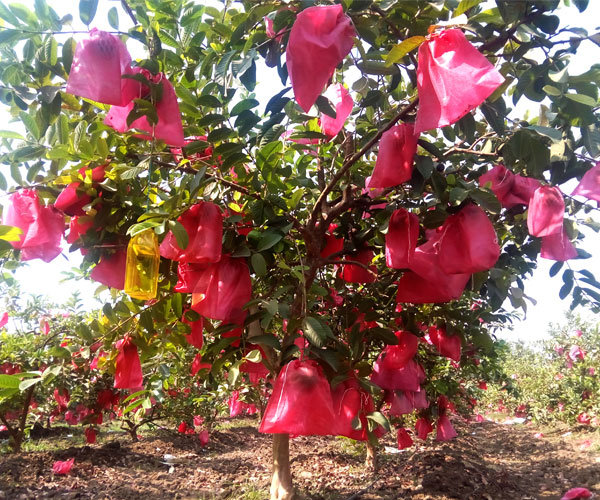
Bagging of guava fruit
1. Selecting Bags :
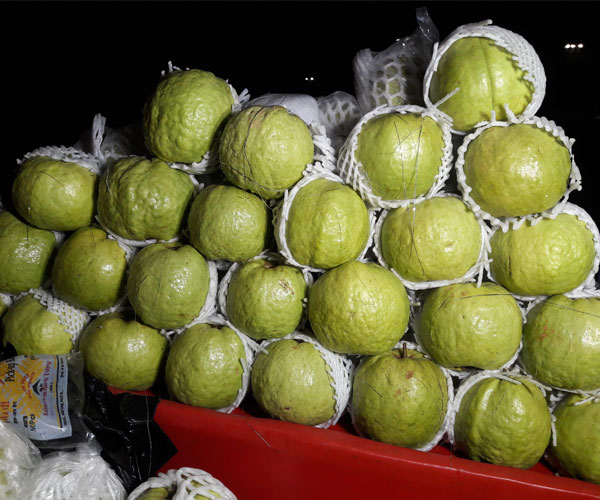
Use paper or plastic bags that are clean, durable, and large enough to accommodate the growing guava fruit. The bags should be breathable to allow air circulation.
2. Timing :
Bag the guava fruit when they are small, usually about 1-2 inches (2.5-5 cm) in diameter. This ensures that the fruit develops inside the bag and is protected from the beginning.
3. Securing the Bag :
Carefully place the bag over the small fruit and secure it around the stem. Make sure the bag is tied or sealed tightly to prevent insects or diseases from getting inside.
4. Monitoring :
Regularly check the bagged guava fruit for signs of pests or diseases. If you notice any issues, remove the affected fruit and dispose of it properly.
5. Harvesting :
When the guava fruit is mature and ready for harvest, carefully remove the bag.
6. Advantage :
bagging of guava fruit can affect fruit color, test and size
Bagging helps in producing high-quality, blemish-free guava fruits, which are especially desirable for commercial purposes or when growing guavas for personal consumption.
What should be considered in post-harvest management of guava crops?
1. Harvesting :
Pick guavas when they are mature but still firm. Handle them carefully to avoid bruising.
2. Sorting :
Sort fruits based on size, shape, and ripeness to facilitate uniform ripening and packaging.
3. Cleaning :
Wash guavas with clean water to remove dirt and contaminants, but avoid excessive moisture, which can lead to decay.
4. Drying :
Ensure the fruits are dried thoroughly after washing to prevent fungal growth.
5. Packing :
Use appropriate packaging materials like ventilated crates or cartons to allow for air circulation and reduce moisture buildup.
6. Storage :
Store guavas in a cool, dry place with controlled humidity and temperature to extend their shelf life.
7. Monitoring :
Regularly inspect stored guavas for signs of decay, and remove affected fruits promptly.
8. Quality Control :
Implement quality control measures to ensure only high-quality guavas reach the market.
9. Transport :
Handle guavas gently during transportation to prevent damage.
10. Cold Storage :
If available, cold storage can significantly extend the shelf life of guavas.
By paying attention to these factors, you can maximize the quality and shelf life of guava crops during post-harvest management.
Intercropping with guava
1. Optimized Land Use :
Intercropping allows farmers to make better use of their land by growing multiple crops together. Guava trees can serve as the main crop, while shorter-duration crops like vegetables or legumes can be grown between the guava rows.
2. Diversified Income :
Growing multiple crops can provide a diversified source of income for farmers. They can harvest and sell the intercropped crops while waiting for guava trees to mature and produce fruit.
3. Weed and Pest Control :
Some intercrops, such as certain legumes, can act as natural weed suppressors. Intercropping can also help reduce pest and disease pressure as pests specific to guava may be deterred by the presence of other crops.
4. Improved Soil Health :
Different crops have varying nutrient requirements. Intercropping can help improve soil health by reducing nutrient imbalances and enhancing overall soil fertility.
5. Microclimate Modification :
The presence of intercrops can modify the microclimate around guava trees, potentially reducing temperature extremes and wind speed, which can benefit guava growth.
6. Reduced Erosion :
Intercrops, especially ground-cover plants, can help reduce soil erosion and maintain soil structure.
Common intercrops with guava include vegetables, legumes, and herbs. However, it’s essential to choose intercrops that are compatible with guava in terms of water and nutrient requirements.
With guidance of organic clinic team expert proper spacing, irrigation management, and pest control are crucial to successful intercropping with guava.
What are the risks in the cultivation of Guava ?
1. Diseases and Pests :
Guava plants are susceptible to various diseases such as anthracnose, guava wilt, and pests like fruit flies, aphids, and nematodes. These can significantly reduce the yield and quality of the crop.
2. Climate and Weather :
Guava plants are sensitive to extreme weather conditions. Frost can damage the plants, and drought conditions can lead to water stress, affecting fruit development.
3. Soil Quality :
Guava plants require well-draining soil. Poor soil quality, soil erosion, or soil-borne diseases can affect the growth of guava plants.
4. Market Fluctuations :
The market price for guava can be volatile. Overproduction or a sudden decrease in demand can lead to financial losses for guava farmers.
5. Water Availability :
Guava plants need constant watering, and water scarcity can be a significant challenge, especially in regions prone to drought.
6. Post-Harvest Losses :
Guava is perishable and has a limited shelf life. If proper post-harvest techniques are not employed, there can be significant losses during storage and transportation.
7. Land and Resource Management :
Improper land management practices, excessive use of fertilizers or pesticides, and lack of sustainable farming techniques can deplete the soil and harm the long-term productivity of guava farms.
8. Labor Shortage :
Finding skilled labor for activities like pruning, harvesting, and pest control can be challenging, especially in regions facing labor shortages.
9. Natural Calamities :
Natural disasters such as hurricanes, floods, or wildfires can cause severe damage to guava orchards.
To mitigate these risks, farmers often employ various strategies such as crop insurance, integrated pest management, proper irrigation techniques, and diversification of crops to ensure a stable income. Additionally, staying updated with the latest agricultural practices and market trends can also help farmers make informed decisions.
Picture Gallery