Custard Apple
About Custard Apple
Here are some key points about custard apples :
1. Appearance :
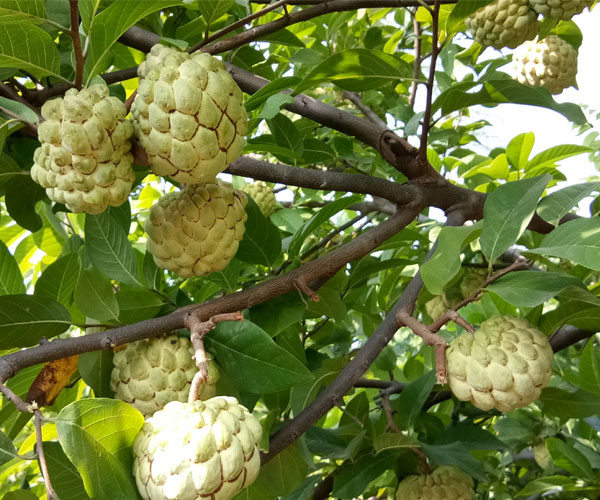
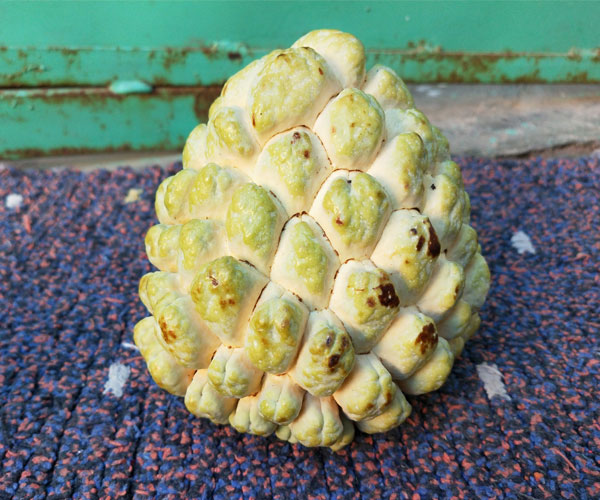
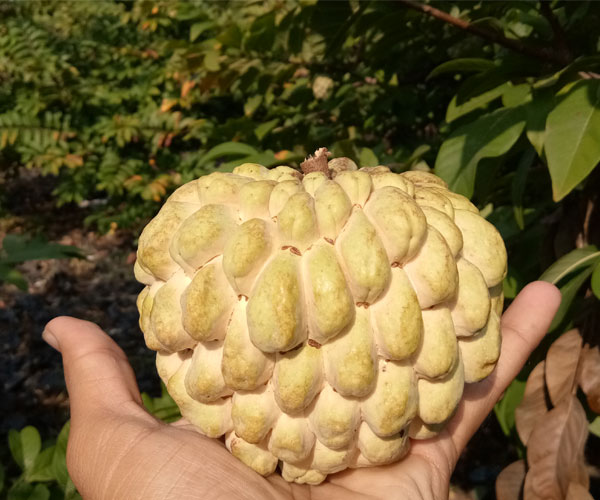
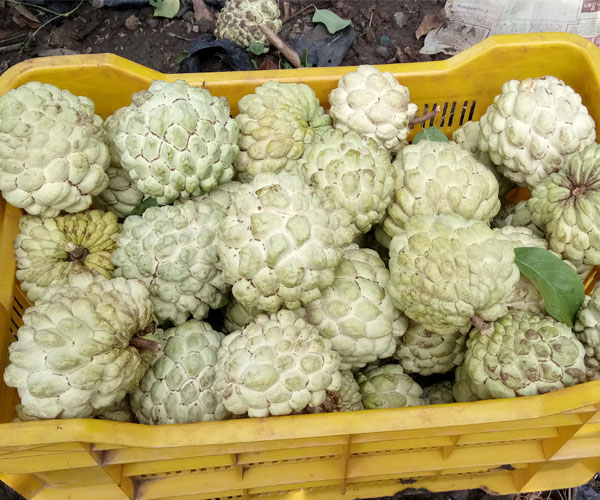
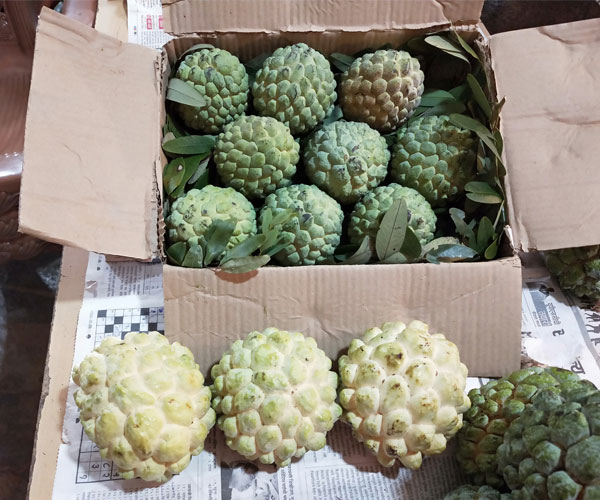
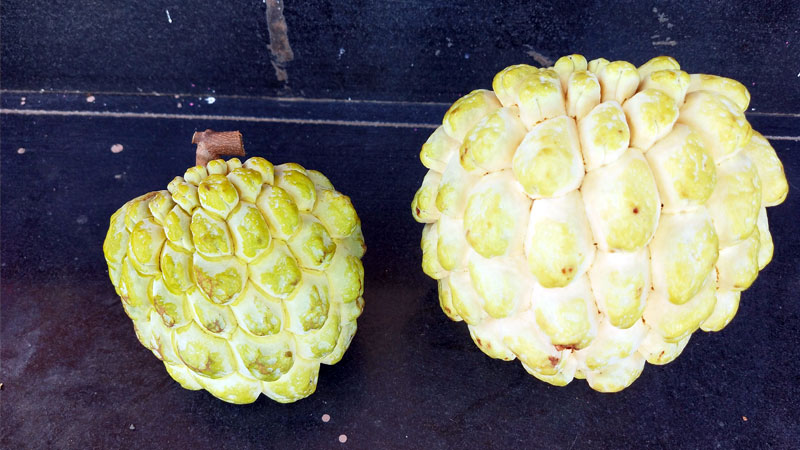
Custard apples are typically round or oval-shaped and have a rough, greenish-brown, bumpy skin. The flesh inside is creamy white and soft, with a sweet and custard-like texture.
2. Flavor :
The flesh of custard apples is incredibly sweet and has a unique flavor that is a combination of banana, pineapple, and strawberry.
3. Culinary Uses :
Custard apples are primarily eaten fresh, scooping out the soft flesh with a spoon. They are also used in smoothies, desserts, ice creams, and milkshakes. In some regions, custard apples are used to make jams and preserves.
4. Medicinal Uses :
Various parts of the custard apple tree, including the leaves and seeds, have been used in traditional medicine for their potential medicinal properties. They are believed to have anti-inflammatory, anti-diabetic, and anti-parasitic properties.
Custard apples are not only delicious but also offer several health benefits, making them a popular choice in many tropical countries.
About Nutritional value of Custard Apple and its health benefit
Nutritional Value of Custard Apple (per 100g serving) :
– Calories : Approximately 101 kcal
– Carbohydrates : About 25.2g
– Protein : Around 1.7g
– Dietary Fiber : Roughly 3.3g
– Vitamin C : Provides 36.3mg, which is around 61% of the daily recommended intake
– Vitamin A : Contains about 20μg, contributing to eye health
– Potassium : Supplies 382mg, aiding in heart health and regulating blood pressure
– Magnesium : Provides 21mg, which is important for muscle and nerve function
– Iron : Around 0.6mg, supporting the formation of red blood cells
– Calcium : Provides 30mg, contributing to bone health
Health Benefits of Custard Apple :
1. Rich in Antioxidants :
Custard apples are loaded with antioxidants, which help in neutralizing harmful free radicals in the body, reducing the risk of chronic diseases.
2. Boosts Immunity :
The high vitamin C content in custard apples strengthens the immune system, making the body more resistant to infections.
3. Aids Digestion :
Custard apples are a good source of dietary fiber, which aids in digestion, prevents constipation, and promotes a healthy digestive system.
4. Heart Health :
Potassium-rich foods like custard apples help regulate blood pressure, reducing the risk of heart diseases and strokes.
5. Bone Health :
Custard apples contain calcium and magnesium, essential minerals for maintaining healthy bones and teeth.
6. Helps in Anemia :
The fruit contains iron, which is important for preventing and combating anemia by aiding in the production of red blood cells.
7. Improves Skin Health :
The antioxidants in custard apples contribute to healthier skin by combating free radicals, reducing signs of aging, and promoting a glowing complexion.
8. Anti-inflammatory Properties :
Custard apples contain compounds with anti-inflammatory properties, which can help in reducing inflammation and related conditions.
9. Weight Management :
The dietary fiber in custard apples contributes to a feeling of fullness, aiding in weight management by curbing overeating.
10. Improves Vision :
Custard apples contain vitamin A, which is essential for maintaining good vision and eye health.
It’s important to note that while custard apples offer numerous health benefits, they should be consumed in moderation as part of a balanced diet. If you have any specific health concerns or conditions, it’s always advisable to consult a healthcare professional or a nutritionist for personalized guidance.
How can Custard Apple fruit be used?
1. Eating Fresh :
The most common way to enjoy custard apple is by eating it fresh. The flesh is soft and sweet, and it can be scooped out and eaten directly with a spoon, discarding the seeds.
2. Juice :
Custard apple can be blended into a smooth juice. You can add a little water and blend the flesh to make a refreshing and nutritious drink.
3. Ice Cream and Sorbets :
The sweet and creamy texture of custard apple makes it an excellent choice for making ice cream or sorbets. Blending the flesh and freezing it with a bit of sugar and cream or milk can create a delightful frozen dessert.
4. Salads :
Custard apple chunks can be added to fruit salads to enhance their flavor. The sweet taste of custard apple contrasts nicely with tangy fruits like oranges and pineapples.
5. Desserts :
Custard apple can be used in various desserts, such as pies, tarts, puddings, and custards. Its unique flavor can add a tropical twist to traditional desserts.
6. Smoothies :
Add custard apple flesh to your favorite smoothie recipes for a naturally sweet and creamy texture.
7. Jams and Preserves :
Custard apple can be cooked down with sugar to make jams, jellies, or preserves. These can be enjoyed on toast or used as a topping for desserts.
8. Face Masks :
Some people use custard apple pulp in homemade face masks due to its natural antioxidants and hydrating properties. However, it’s important to note that applying any natural substance to the skin can cause reactions in some individuals, so it’s best to do a patch test first.
9. Traditional Medicine :
In some cultures, various parts of the custard apple tree, including the fruit, are used in traditional medicine for their potential medicinal properties. However, it’s crucial to consult with a healthcare professional before using any natural remedies.
Always make sure to wash the fruit thoroughly before using it in any recipe to remove dirt and pesticides if they were used during cultivation. Enjoy custard apple in moderation as part of a balanced and varied diet for the best health benefits.
Production data of Custard Apple plant
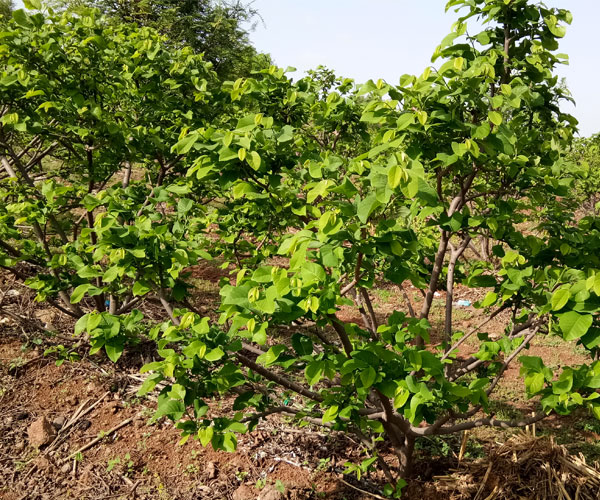
Custard Apple plant start production after 3 – 4 year 5 – 7 kg per tree and can be grow 40 – 60 kg at maturity stage
What about market scope of custard apple
1. Production :
India is one of the largest producers of custard apples in the world. The fruit is grown in various states, including Maharashtra, Andhra Pradesh, Gujarat, Tamil Nadu, and Karnataka. The production volume can vary from year to year due to factors like weather conditions and disease outbreaks. It’s essential to check the latest statistics to get the most accurate data on production.
2. Domestic Consumption :
Custard apples are popular in the Indian market, primarily as a seasonal fruit. The fruit is consumed fresh, and it is known for its sweet and creamy flesh. It is also used to make beverages like custard apple milkshakes and ice creams. The domestic market primarily caters to fresh fruit consumption.
3. Export Potential :
While custard apples are primarily consumed domestically, there is potential for exports. India has exported custard apples to countries in the Middle East, Europe, and Southeast Asia in the past. However, export volumes have been limited compared to other fruits like mangoes and bananas. Expanding the export market would depend on factors such as quality control, infrastructure, and market demand.
4. Processing and Value-Added Products :
Custard apples can be used in various processed products, such as pulp, purees, and frozen products. There is potential for growth in this segment, as it can extend the shelf life of the fruit and make it available year-round.
5. Challenges :
The custard apple market faces challenges related to post-harvest handling, storage, and transportation. The fruit is highly perishable, and maintaining its quality during transit is crucial. Additionally, price fluctuations due to market dynamics and seasonal availability can affect both farmers and consumers.
6. Government Initiatives :
The Indian government has introduced various initiatives to promote horticulture and increase the production and export of fruits, including custard apples. These initiatives include schemes for cold storage infrastructure, export promotion, and support for farmers.
7. Market Trends :
As of my last update, there was a growing trend in the health-conscious segment, where consumers were looking for natural and healthy alternatives. Custard apples, being a fruit with various health benefits, can tap into this trend.
Please note that market conditions and trends may have evolved since my last update in September 2021. To get the most current information on the market scope of custard apples in India, it is advisable to consult more recent sources, such as government reports, industry publications, and market research studies.
What type of soil is suitable for the cultivation of Custard Apple
1. Well-Draining Soil :
Custard apple trees don’t tolerate waterlogged soil. Therefore, it’s essential that the soil has good drainage to prevent water from accumulating around the roots.
2. pH Level :
The ideal pH range for custard apple cultivation is between 6.0 and 8.0. Soil pH outside of this range can affect the tree’s ability to absorb nutrients from the soil.
3. Rich in Organic Matter :
Custard apple trees benefit from soil that is rich in organic matter. Composted materials, well-rotted manure, or organic mulches can enhance the soil’s fertility and structure.
4. Sandy Loam Soil :
Sandy loam soil, which is a mixture of sand, silt, and clay, is considered ideal for custard apple cultivation. This type of soil provides good drainage while retaining enough moisture for the plant’s roots.
5. Aeration :
Proper aeration of the soil is crucial. Compacted soil can restrict root growth and lead to poor development of the custard apple tree.
Before planting custard apple trees, it’s always a good practice to conduct a soil test and Land Analytic report. This test can provide specific recommendations tailored to the soil’s deficiencies and help you amend the soil accordingly. Additionally, consulting with Organic clinic expert team can provide valuable insights into the specific soil requirements in your region.
What type of water is suitable for the cultivation of Custard Apple
Environment criteria for Custard Apple
1. Temperature :
Custard apples thrive in warm to hot tropical and subtropical climates. They are sensitive to frost and require temperatures between 25°C to 40°C for optimal growth.
2. Frost :
Custard apple trees are highly sensitive to frost and cannot tolerate freezing temperatures. They should be protected from frost, especially during the winter months.
3. Water :
– Watering : Custard apple trees need regular watering, especially during dry periods. They prefer consistent moisture but do not tolerate waterlogged conditions, which can lead to root rot.
– Humidity : Custard apples thrive in high humidity environments, typical of tropical regions. Adequate humidity levels are necessary for healthy growth and fruit development.
4. Sunlight :
Sun Exposure : Custard apple trees require full sun for at least 6 to 8 hours a day. Adequate sunlight is essential for flowering and fruiting.
5. Pollination:
– Pollination : While some custard apple varieties are self-pollinating, others require cross-pollination for fruit production. It’s essential to know the specific variety you are planting and ensure that compatible pollinators are nearby.
6. Pests and Diseases :
– Pests : Custard apples can be affected by pests like aphids, scale insects, and fruit flies. Regular inspection and appropriate pest management strategies are necessary to protect the crop.
– Diseases : Common diseases include powdery mildew, leaf spot, and root rot. Proper sanitation, well-drained soil, and adequate spacing between plants can help prevent the spread of diseases.
By meeting these criteria and providing proper care, you can cultivate healthy and productive custard apple trees.
Give information about the variety of Custard Apple
Balanagri
Golden sitafal
Hanuman fal
Give information about Custard Apple cultivation method
1. Climate and Soil :
– Climate : Custard apples thrive in warm tropical and subtropical climates. They require a frost-free environment.
– Soil : They grow well in a variety of soils but prefer well-drained, sandy or loamy soil with good fertility.
2. Propagation :
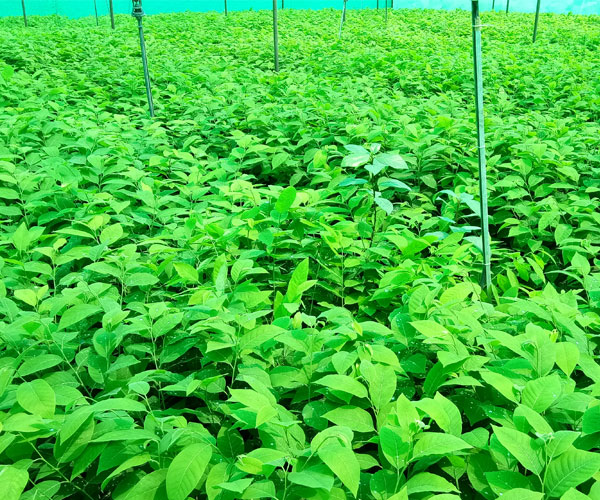
– Seeds : Custard apples are usually grown from seeds.
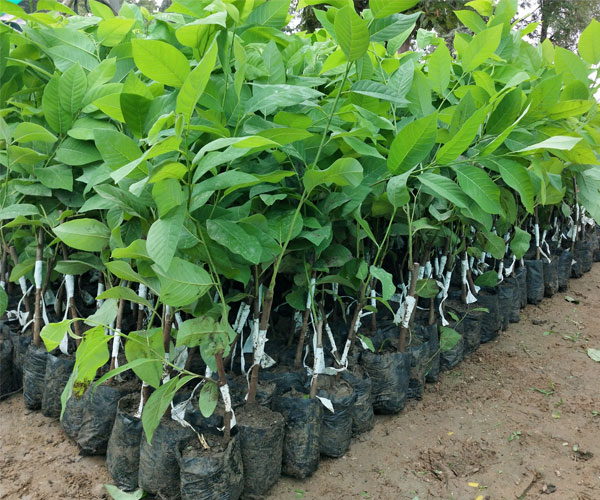
– Grafting : Grafting onto suitable rootstocks is another common method for propagation, ensuring the characteristics of the parent plant are preserved.
3. Planting :
– Spacing : Plant custard apple trees about 8 to 12 feet apart to allow for their wide canopy.
– Planting Depth : Plant the seedlings at the same depth as they were in the nursery bags or pots.
– Watering : Young plants need regular watering. Once established, custard apple trees are relatively drought-tolerant, but they should be watered during dry spells.
4. Training and Pruning :
– Training : When the plant is young, form a central leader and remove competing leaders to encourage a single, sturdy trunk.
– Pruning : Pruning is necessary for removing dead or diseased branches and for shaping the tree.
5. Fertilization :
– Organic Matter : Incorporate well-rotted organic matter into the soil during planting.
6. Harvesting :
– Custard apples are usually ready for harvest when they change color and give slightly to the touch. However, the exact harvesting time depends on the variety being grown.
– Use pruning shears to cut the stem about an inch above the fruit. Handle the fruit carefully as it bruises easily.
7. Post-Harvest Handling :
– Custard apples have a short shelf life. They should be consumed shortly after harvesting.
– Store them in a cool, dry place if immediate consumption is not possible.
Remember, specific guidelines can vary based on the custard apple variety you are cultivating and the local climate conditions. Additionally, consulting with Organic clinic expert team can provide valuable insights into the specific soil requirements in your region.
Plantation size
12ft * 8ft = 450 plant per Acer
What is the pre-preparation of land for Custard Apple cultivation ?
1. Site Selection :
– Choose a site with well-drained soil to prevent waterlogging.
– Ensure the site receives plenty of sunlight, preferably 6 to 8 hours a day.
2. Clearing the Land :
– Clear the land of weeds, bushes, and rocks.
– Level the land properly to avoid water stagnation.
3. Soil Testing and Amendment :
– Conduct a soil test to determine its nutrient content.
– Based on the test results, add organic manure, compost, or other necessary soil amendments to improve soil fertility. for more details communicate with the organic clinic team.
4. Digging the Planting Holes :
– Dig pits of around 1.5 to 2 feet in width and depth.
– Mix the excavated soil with well-rotted compost or farmyard manure.
5. Planting :
– Custard apple trees are usually planted at the beginning of the rainy season.
– Plant the saplings in the center of the pits.
– Water the plant immediately after planting.
6. Irrigation :
– Set up an efficient irrigation system. Drip irrigation is highly recommended for custard apple cultivation.
– Ensure regular and consistent watering, especially during dry spells.
7. Mulching :
– Apply a thick layer of organic mulch around the base of the plant to conserve moisture, regulate soil temperature, and suppress weed growth.
8. Support and Pruning :
– Provide support to young plants if necessary.
– Prune the plants regularly to remove dead or diseased branches and to maintain the desired shape.
Proper pre-preparation and ongoing care are essential for successful custard apple cultivation. Regular monitoring, timely irrigation, and appropriate pest and disease management are key to a healthy and productive custard apple orchard.
What should be water management for Custard Apple cultivation ?
– Custard Apple trees do not need regular watering, especially during rest period farmer must follow the proper schedule directed by the expert
– It’s good part of crop practice to take advice Organic clinic team for technical matter to irrigate Custard apple orchard during flowering and fruit stage
What should be Pest and Disease management for Custard Apple cultivation?
What should be fertilizer management for Custard Apple cultivation?
for fertilizer program as per Land Analytic report to maintain the sustainable growth and appropriate yield while performing crop practice, for more information you can contact the organic clinic team.
What should be considered in post-harvest management for Custard apple crops?
1. Harvesting :
– Custard apples should be harvested when they are mature but still firm.
– Handle the fruit carefully to avoid bruising, which can lead to rapid spoilage.
2. Cleaning :
– Clean the fruits gently to remove dirt and contaminants without causing damage.
– Avoid using excessive water, as custard apples are sensitive to moisture.
3. Sorting and Grading :
– Sort the fruits based on size, color, and maturity.
– Grade them according to quality standards to ensure uniformity in the market.
4. Packaging :
– Use appropriate packaging materials such as ventilated crates or boxes to allow airflow.
– Pack custard apples carefully to prevent bruising during transportation.
– Consider using packaging materials that provide cushioning to reduce damage.
5. Storage :
– Custard apples are highly perishable and should be stored at a cool temperature, ideally around 10°C (50°F).
– Maintain high humidity (85-90%) in the storage area to prevent moisture loss.
– Use refrigerated storage to extend the shelf life, if available.
6. Ripening :
– Custard apples continue to ripen after harvest. Control the ripening process by adjusting storage temperature and humidity.
7. Transportation :
– Transport custard apples in well-ventilated vehicles to prevent heat and moisture buildup.
– Avoid overcrowding to minimize bruising and damage during transit.
8. Pest and Disease Management :
– Implement pest control measures during storage to prevent infestations.
– Regularly inspect stored custard apples for signs of decay or diseases and remove affected fruits promptly.
9. Marketing and Distribution :
– Work on developing a market strategy to ensure timely distribution of the produce.
– Consider value addition techniques such as processing custard apples into products like jams, juices, or desserts to extend their shelf life and market appeal.
10. Record Keeping :
– Maintain records of post-harvest practices, including storage conditions, pest control measures, and transportation methods.
– These records can help in evaluating the effectiveness of different techniques and improving future post-harvest management processes.
By paying close attention to these factors, farmers can significantly improve the quality of custard apples reaching the market, reduce losses, and increase their overall profitability.
Intercrop in custard apple farming
1. Legumes :
Leguminous plants like peanuts, soybeans, or chickpeas can fix nitrogen in the soil, enhancing its fertility. They also serve as good ground cover, reducing weed growth.
2. Leafy Vegetables :
Crops like spinach, lettuce, or kale can be grown between custard apple trees. They don’t compete much for resources and provide an additional source of income.
3. Root Vegetables :
Root crops such as radishes and carrots can be intercropped, especially during the early stages of custard apple growth when the trees are not fully developed and need less space.
4. Herbs :
Herbs like basil, coriander, or mint can be planted between custard apple trees. They can provide additional income and can also act as natural pest repellents.
5. Crops with Shallow Roots :
Since custard apple trees have deep roots, crops with shallow roots like beans and peas can be grown around the base of the trees without much competition.
6. Cover Crops :
Plants like clover or certain grass species can be grown as cover crops. They protect the soil from erosion, improve soil structure, and add organic matter when they decompose.
7. Fruit Crops :
Depending on the specific conditions of the region, fruit crops like papaya, guava, or passion fruit can be intercropped. These crops often have different seasonal requirements, allowing for efficient use of space and resources.
8. Aromatic Plants :
Aromatic plants such as lemongrass or citronella can be intercropped to provide additional income. They also have insect-repelling properties, which can help in pest management.
When practicing intercropping in custard apple farming, it’s essential to monitor the specific requirements of each crop, provide adequate irrigation, and manage pests and diseases effectively to ensure a successful and harmonious coexistence of crops in the same field. Additionally, consulting with local agricultural experts or agronomists can provide valuable insights tailored to the specific region and conditions.
What are the risks in the cultivation of Custard Apple ?
1. Disease and Pest Infestation :
Custard apple trees are susceptible to various diseases such as powdery mildew, anthracnose, and root rot. Additionally, pests like aphids, fruit flies, and mites can damage both the leaves and fruits, reducing the yield and quality.
2. Climate Sensitivity :
Custard apples are sensitive to extreme weather conditions. Frost can harm the tree, especially young plants, and excessive heat can lead to water stress and poor fruit development.
3. Soil Requirements :
Custard apples prefer well-drained soil. Poor soil drainage can lead to root rot and other diseases. Soil quality is crucial for the growth and yield of the tree.
4. Watering Issues :
Overwatering or underwatering can cause problems. Too much water can lead to root rot, while too little water can stress the plant and reduce fruit quality and quantity.
5. Pollination Challenges :
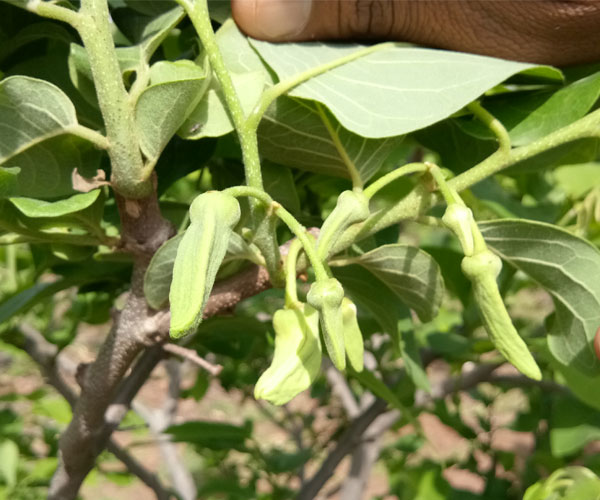
Custard apple trees rely on insects for pollination. If there is a lack of pollinators in the area, fruit set can be poor, affecting the overall yield.
6. Post-Harvest Losses :
Custard apples have a short shelf life and are easily bruised. Proper handling and storage are crucial to prevent post-harvest losses.
7. Market Fluctuations :
Like any agricultural product, market demand and prices can fluctuate, affecting the income of custard apple farmers.
8. Regulatory Challenges :
Depending on the region and country, there might be regulations and restrictions related to custard apple cultivation. It’s essential for farmers to be aware of and comply with these regulations.
9. Dependency on Weather Patterns :
Unpredictable weather patterns, such as droughts or excessive rainfall, can impact the flowering and fruiting patterns of custard apple trees.
10. Labor Dependency :
Custard apple cultivation, especially during harvest, can be labor-intensive. Finding and retaining skilled labor can be a challenge.
To mitigate these risks, farmers often employ various agricultural practices such as regular inspection for diseases and pests, proper irrigation techniques, using organic or chemical treatments when necessary, and staying updated with the latest farming practices. Diversifying crops and income sources can also spread the risks for farmers.
Picture Gallery