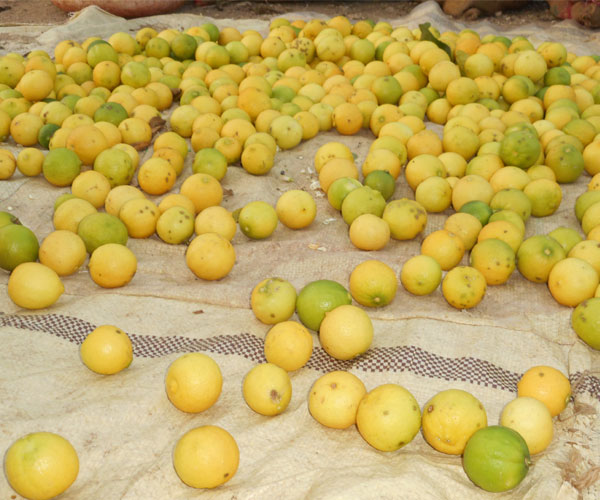
lemon
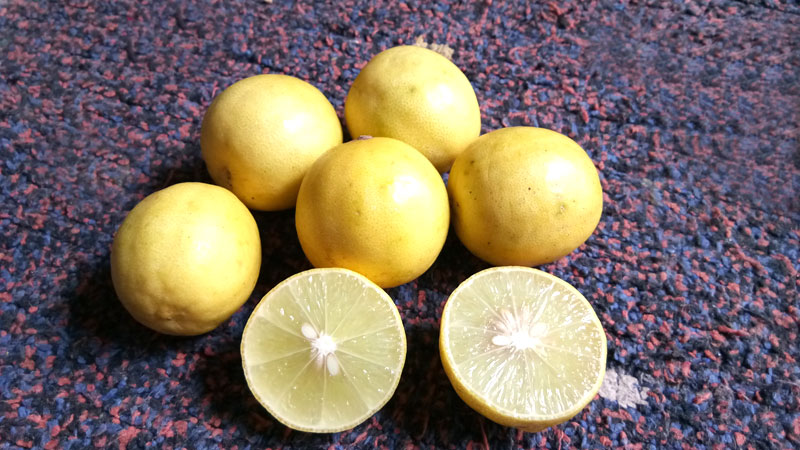
About lemons
1. Scientific Name :
Lemons belong to the species Citrus limon.
2. Origins :
They are believed to have originated in Northeast India.
3. Physical Characteristics :
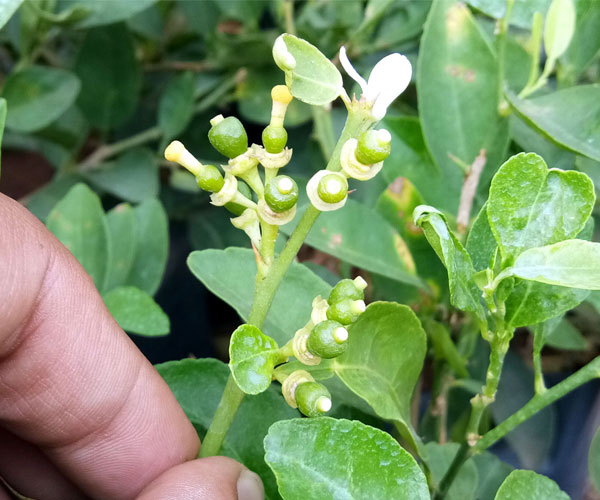
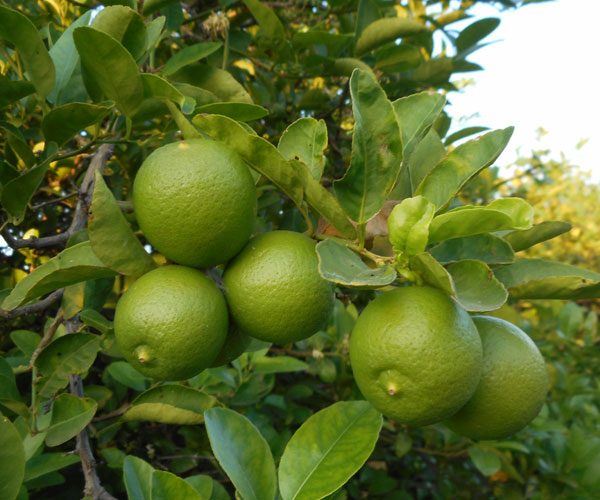
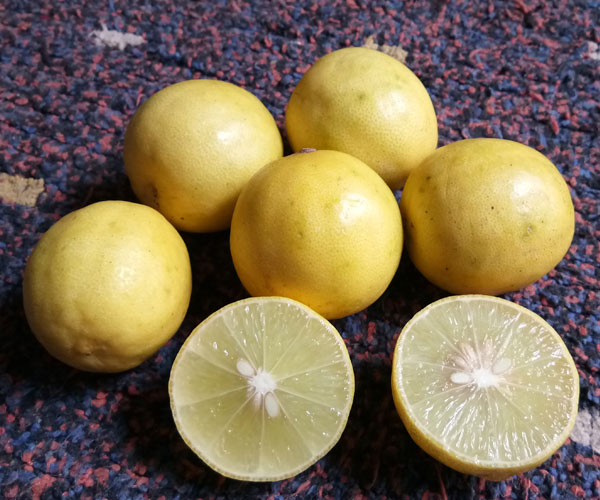
Lemons are typically small, yellow, and oval-shaped. They have a thin, fragrant peel and juicy, acidic pulp.
4. Flavor :
Lemons are known for their tart and refreshing flavor, primarily due to their high citric acid content.
5. Nutrition :
They are a good source of vitamin C, providing about 88% of the recommended daily intake in a 100g serving. They also contain dietary fiber and various other vitamins and minerals.
6. Culinary Uses :
Lemons are used in cooking and baking to add flavor to a wide range of dishes. They’re a key ingredient in lemonade, salad dressings, and desserts like lemon meringue pie.
7. Health Benefits :
Lemon juice is often touted for its potential health benefits, including aiding digestion and providing antioxidants. The vitamin C in lemons is essential for immune health.
8. Household Uses :
Lemon juice can be used as a natural cleaning agent and deodorizer. The oil extracted from lemon peel is also used in aromatherapy.
9. Cultivation :
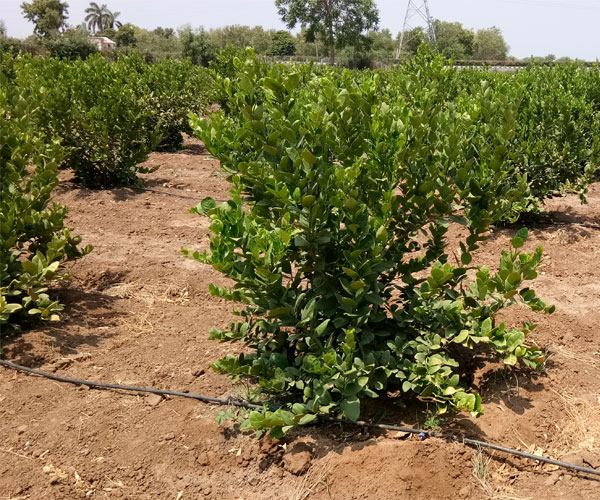
Lemons are grown in subtropical and tropical regions worldwide. They require a warm climate and well-drained soil.
10. Varieties :
There are various types of lemons, including Eureka, Lisbon, and Meyer lemons, each with slightly different characteristics.
Lemons are versatile and widely used in the culinary world, and their juice and zest can enhance the flavor of many dishes.
Nutritional value and health benefits of lemons
Nutritional Value (per 100g):
– Calories : 29
– Carbohydrates : 9.32g
– Dietary Fiber : 2.8g
– Sugars : 2.5g
– Vitamin C : 53 mg (89% of the Daily Value)
– Potassium : 138 mg
– Vitamin B6 : 0.1mg
– Citric Acid : 4.5-5.6g
Health Benefits :
1. High in Vitamin C :
Lemons are an excellent source of vitamin C, which supports the immune system, skin health, and wound healing.
2. Antioxidants :
Lemons contain antioxidants, like flavonoids, which help protect cells from damage caused by free radicals.
3. Digestive Health :
Drinking lemon water can stimulate digestion and relieve indigestion. The citric acid may also help prevent kidney stones.
4. Hydration :
Lemon water is a refreshing way to increase your daily water intake.
5. Skin Health :
Vitamin C and antioxidants in lemons can promote healthy, glowing skin.
6. Weight Management :
Some people use lemon water as part of a weight loss regimen, as it can help with appetite control and hydration.
7. Fresh Breath :
Lemon’s acidity can help reduce bad breath.
8. Iron Absorption :
The vitamin C in lemons enhances the absorption of nonheme iron from plant-based foods.
9. Heart Health :
The potassium in lemons can support heart health by helping to regulate blood pressure.
Remember that lemons are acidic, and excessive consumption may erode tooth enamel. It’s best to consume them in moderation and dilute the juice when used in beverages.
Explain the use of lemon
1. Culinary :
Lemons are used for their tart and citrusy flavor in a variety of dishes. They can be used in salad dressings, marinades, and as a garnish. Lemon juice and zest are common ingredients in both savory and sweet recipes.
2. Beverages :
Lemon juice is often used to make lemonade, and it’s a popular addition to cocktails and teas. It can add a refreshing and tangy twist to your drinks.
3. Cleaning :
Lemon juice’s acidity makes it an effective natural cleaner. It can be used to remove stains, disinfect surfaces, and eliminate odors.
4. Aromatherapy :
Lemon essential oil is used in aromatherapy for its uplifting and invigorating scent. It’s believed to have mood-boosting properties.
5. Skin care :
Lemon juice can be used to lighten skin and fade dark spots due to its natural bleaching properties. It’s also used in DIY face masks and scrubs.
6. Health :
Lemons are a good source of vitamin C and antioxidants. Drinking warm lemon water is a common practice to kickstart the day and support overall health.
7. Preserving fruits and vegetables :
Lemon juice can help prevent fruits and vegetables from browning, making it a useful addition when preserving or canning.
8. Insect repellent :
Lemon-scented products can act as a natural insect repellent.
Remember that while lemons have many uses, they can be harsh on certain surfaces and skin due to their acidity, so use them carefully and in moderation.
Production Data
The market scope of lemons in India.
The Indian government has been promoting lemon cultivation through various schemes and initiatives, which has led to an increase in lemon production in the country. Major lemon-producing states in India include Andhra Pradesh, Maharashtra, Gujarat, Tamil Nadu, and Rajasthan.
The market scope for lemons in India includes:
1. Domestic Consumption :
Lemons are a staple in Indian kitchens. They are used in various culinary dishes, beverages, and pickles. With the growing population and increasing disposable income, the domestic consumption of lemons continues to rise.
2. Export :
India exports lemons and other citrus fruits to several countries. The demand for Indian lemons in international markets, especially in the Middle East and Southeast Asia, provides significant export opportunities for farmers and traders.
3. Processing Industry :
Lemons are processed into products like lemon juice, lemon oil, and citric acid. These processed products have a wide range of applications in the food and beverage industry, further enhancing the market scope.
4. Health and Wellness Industry :
Lemons are considered a healthy fruit due to their high vitamin C content and other health benefits. The health and wellness industry, including sectors like herbal medicine, Ayurveda, and natural cosmetics, uses lemons as a key ingredient, boosting their market demand.
5. Hospitality Sector :
Lemons are widely used in hotels, restaurants, and catering services. With the growth of the hospitality sector in India, the demand for lemons as a raw material remains high.
Please note that the market dynamics can change, and it’s essential to refer to more recent sources or market research reports for the most current information regarding the market scope of lemons in India.
What kind of soil will be good for lemon cultivation
What kind of water is required for lemon cultivation
What kind of environment would be good for lemon cultivation?
1. Climate :
Lemons prefer a subtropical to tropical climate with temperatures between 77°F to 86°F (25°C to 30°C). They are sensitive to frost and cold temperatures.
2. Sunlight :
Lemons require full sun, at least 8 hours of direct sunlight per day, for optimal growth and fruit production.
3. Soil :
Well-draining soil with a pH level between 5.5 and 6.5 is ideal for lemon trees. Sandy loam or loamy soil types work well.
4. Watering :
Lemons need constant watering, but the soil should not be waterlogged. Water deeply and allow the soil to dry slightly between waterings.
5. Humidity :
They prefer moderate humidity levels, around 50-60%, which is important for fruit development.
6. Pruning :
Regular pruning helps maintain the shape of the tree and encourages fruit production.
7. Protection :
Protect them from strong winds and cold temperatures, as they are sensitive to frost.
These conditions will vary slightly depending on the lemon variety and your specific location, so it’s advisable to consult with local agricultural experts for tailored guidance.
Give information about varieties of lemon
State the cultivation method of lemon
1. Choose the Right Location :
Select a sunny location with well-drained soil. Lemon trees need at least 6-8 hours of sunlight per day.
2. Prepare the Soil :
Ensure the soil is slightly acidic (pH 5.5-6.5). You can amend the soil with organic matter to improve drainage.
3. Planting :
Plant lemon trees in the spring. Dig a hole twice as wide as the root ball and at the same depth. Place the tree in the hole and fill it with soil.
4. Pruning :
Prune to shape the tree and remove dead or diseased branches. Pruning should be done in late winter or early spring.
5. Mulching :
Apply a layer of mulch around the base of the tree to help retain moisture and suppress weeds.
6. Harvesting :
Lemons are typically ready for harvest in winter or early spring. Pick them when they have reached the desired size and color.
7. Protection from Cold :
If you live in a colder climate, consider protecting your lemon tree from frost during the winter months.
Remember that lemon trees may take a few years to start bearing fruit, but with proper care, they can be productive for many years.
Plantation size
12 ft * 10 ft = 360 plant per Acer
12 ft * 8 ft = 450 plant per Acer
What should be done in pre-preparation of land for lemon cultivation
1. Site Selection :
– Choose a well-drained location with good sunlight exposure.
– Ensure the soil pH is between 5.5 and 6.5, slightly acidic to neutral.
2. Soil Testing :
– Conduct a soil test to determine its nutrient content and pH level.
– Amend the soil as needed to achieve the ideal pH and nutrient balance.
3. Clearing and Cleaning :
– Remove any weeds, rocks, or debris from the planting area.
4. Soil Preparation :
– Deeply plow or till the soil to a depth of at least 2 feet.
– Incorporate organic matter, like compost or well-rotted manure, to improve soil fertility and water retention.
5. Irrigation System :
– Install a proper irrigation system, such as drip irrigation, to provide consistent moisture to the lemon trees.
6. Drainage :
– Ensure good drainage to prevent waterlogging, which can be harmful to lemon trees.
7. Planting Layout :
– Plan the spacing and layout of lemon trees, typically 12 to 15 feet apart, depending on the variety.
8. Planting Material :
– Use healthy lemon saplings or rootstocks from a reliable source.
9. Fertilization :
– Apply the recommended fertilizers based on soil test results and the specific nutrient needs of lemon trees.
10. Mulching :
– Apply organic mulch around the base of the trees to conserve moisture and suppress weeds.
11. Pest and Disease Management :
– Implement preventive measures for common citrus pests and diseases.
12. Pruning :
– Prune young lemon trees to shape them and remove any damaged or weak branches.
13. Support :
– Provide support like stakes to young trees if needed.
14. Protection :
– Protect the trees from harsh weather conditions, especially during the early growth stages.
15. Monitoring :
– Regularly monitor the health of your lemon trees and make adjustments as needed.
Proper pre-preparation of the land is crucial to establish a strong foundation for successful lemon cultivation. Be sure to follow best practices and adapt them to your specific local conditions for the best results.
How to plant lemons
1. Choose a Location :
Select a sunny spot with well-draining soil. Lemons need full sun to thrive.
2. Prepare the Soil :
Ensure the soil is rich in organic matter and well-draining. You can amend the soil with compost if needed.
3. Select a Lemon Tree :
You can buy a lemon tree sapling from a nursery or grow one from a seed. It’s easier to start with a sapling, as it will produce fruit sooner.
4. Planting :
Dig a hole that’s twice the size of the root ball of your sapling. Place the sapling in the hole at the same depth as it was in the nursery container.
5. Watering :
Water thoroughly after planting. Keep the soil consistently moist but not waterlogged.
6. Mulch :
Apply mulch around the base of the tree to help retain moisture and control weeds.
7. Fertilizing :
Fertilize with a citrus-specific fertilizer according to the package instructions. Typically, this is done in spring and late summer.
8. Pruning :
Prune to shape the tree and remove dead or crowded branches.
9. Protection :
Depending on your climate, you may need to protect the tree from frost or extreme temperatures.
10. Harvesting :
Be patient; lemon trees can take a few years to produce fruit. When lemons are ripe, harvest them by twisting and pulling.
Remember that lemon trees are sensitive to cold and need protection in freezing temperatures. Regular care and maintenance will help you grow healthy lemon trees and enjoy a bountiful harvest.
Water Management in Lemon Cultivation
1. Irrigation :
Lemon trees need regular and consistent watering. The frequency and amount of water required depend on factors such as soil type, climate, and tree age. Typically, young trees need more frequent watering, while mature trees can withstand some drought stress. Drip irrigation or soaker hoses can be efficient ways to deliver water directly to the root zone.
2. Soil Preparation :
Ensure that the soil has good drainage to prevent waterlogging, which can be harmful to lemon trees. Amending the soil with organic matter like compost can improve water retention and drainage.
3. Mulching :
Applying a layer of organic mulch around the base of lemon trees helps retain soil moisture, regulate soil temperature, and reduce weed competition.
4. Monitoring :
Keep an eye on the moisture levels in the soil. You can use soil moisture sensors to determine when and how much to water. Avoid overwatering, as this can lead to root rot.
5. Seasonal Variations :
Adjust your watering schedule according to seasonal variations. Lemon trees generally require more water during the growing season and less during the dormant period.
6. Rainwater Harvesting :
Consider collecting rainwater for irrigation to reduce reliance on municipal water sources and save on water costs.
7. Drought Management :
During droughts, it’s important to prioritize water for your lemon trees. You can also implement water-saving techniques like rain covers and windbreaks to reduce evaporation.
8. Fertilization :
Proper fertilization can enhance the water-holding capacity of the soil and improve the tree’s ability to utilize water efficiently.
9. Pruning :
Regular pruning can help reduce water demand by maintaining an optimal canopy size and reducing competition for water among branches.
10. Pest and Disease Management :
Some pests and diseases can affect lemon trees’ water uptake and utilization. Effective pest and disease management can indirectly improve water management.
11. Training and Staking :
Training the lemon tree into an open center or modified central leader shape can help improve sun exposure and air circulation, reducing moisture-related issues.
12. Monitoring for Stress :
Keep an eye out for signs of water stress, such as wilting leaves, leaf drop, or yellowing. Adjust your watering practices accordingly.
Remember that specific water management practices may vary based on your location and local conditions. It’s essential to strike a balance between providing enough water to support growth and avoiding water-related problems like root rot. Consulting with local agricultural experts or horticulturists can provide valuable insights tailored to your specific lemon cultivation environment.
Fertilizer Management in Lemon Cultivation
1. Soil Testing:
Start by conducting a soil test to determine the nutrient levels in your soil. This will help you understand what specific nutrients your lemon trees need.
2. Nitrogen (N):
Lemon trees require nitrogen for vegetative growth. Apply nitrogen-based fertilizers in split doses during the growing season, with the majority in the spring and a smaller amount in late summer.
3. Phosphorus (P):
Phosphorus is important for root development and flowering. Apply a phosphorus-rich fertilizer during planting and consider adding it as needed based on soil test results.
4. Potassium (K):
Potassium is crucial for fruit development and overall tree health. Apply potassium-containing fertilizers as per the soil test recommendations.
5. Micronutrients:
Lemon trees may require micronutrients like iron, manganese, and zinc. If your soil test indicates deficiencies, use micronutrient-rich fertilizers or foliar sprays.
6. Organic Matter:
Incorporate organic matter, such as compost, to improve soil structure and fertility. This can enhance nutrient retention and water-holding capacity.
7. Fertilizer Application:
Spread fertilizers evenly in a circular band around the tree’s drip line, avoiding direct contact with the trunk. Water the area thoroughly after fertilizing.
8. Timing:
Divide the fertilizer applications into several doses throughout the growing season to avoid nutrient imbalances and minimize leaching.
9. Mulching:
Mulch around the base of the lemon trees to retain soil moisture and regulate soil temperature. This also helps in nutrient conservation.
10. Monitoring:
Regularly monitor the health of your lemon trees and adjust your fertilization regimen based on their performance and any observed nutrient deficiencies or excesses.
11. Watering:
Proper irrigation is crucial to ensure the nutrients are available to the tree. Lemon trees prefer consistent and deep watering.
12. Pruning:
Prune your lemon trees to remove dead or diseased branches and improve sunlight penetration, which can lead to better fruit development.
Remember that the specific fertilizer requirements may vary based on your soil conditions, climate, and lemon tree variety. It’s important to consult with local agricultural experts and conduct regular soil tests to fine-tune your fertilizer management for successful lemon cultivation.
Pest Management in Lemon Cultivation
1. Integrated Pest Management (IPM) :
Adopt an IPM approach that combines various pest control methods to minimize chemical pesticide use.
2. Monitor Pest Populations :
Regularly inspect your lemon trees for signs of pests and their damage. Early detection is essential.
3. Biological Control :
Introduce natural predators like ladybugs and parasitoid wasps to control common pests such as aphids and scale insects.
4. Cultural Practices :
Maintain proper sanitation by removing fallen leaves and fruit to reduce pest habitat. Prune your trees to improve air circulation and sunlight penetration.
5. Chemical Control :
If necessary, use pesticides sparingly and in accordance with recommended guidelines. Be cautious about their impact on beneficial insects and the environment.
6. Organic Solutions :
Consider using organic pesticides or neem oil as a more environmentally friendly option.
7. Resistant Varieties :
Choose lemon tree varieties that are resistant to common pests in your region.
8. Crop Rotation :
If possible, avoid planting lemons in the same location year after year to disrupt pest life cycles.
9. Trap Crops :
Plant trap crops to lure pests away from your lemon trees.
10. Regular Pruning :
Remove infested branches and leaves to contain and prevent the spread of pests.
11. Soil Management :
Maintain proper soil health through fertilization and watering to ensure the trees are less susceptible to stress and pests.
Remember that a combination of these strategies, tailored to your specific growing conditions, will help you effectively manage pests in lemon cultivation while minimizing the use of chemical pesticides.
When does lemon crop production start?
Postharvest Management in Lemon Cultivation
1. Harvesting :
– Lemons should be harvested when they reach the desired ripeness, typically when they have developed their characteristic color.
– Use sharp pruning shears to cut the fruit, leaving a short stem attached to the lemon.
2. Handling :
– Handle lemons with care to prevent bruising, as damaged fruit can deteriorate quickly.
– Avoid dropping or tossing lemons during harvesting and handling.
3. Cleaning and Sorting :
– Sort lemons to remove any damaged or diseased fruit.
– Gently clean the fruit to remove any dirt or residue using a soft cloth or brush.
4. Grading :
– Grade lemons based on size, quality, and appearance. This is important for market differentiation.
– Pack lemons into appropriate-sized containers or crates.
5. Packaging :
– Pack lemons in ventilated containers to allow air circulation, which helps reduce moisture and maintain freshness.
– Consider using plastic or waxed paper to line the crates to prevent moisture buildup.
6. Storage :
– Lemons should be stored in a cool, dry place with good ventilation.
– Ideal storage temperature is around 10-12°C (50-54°F) with a relative humidity of 85-90%.
– Monitor storage conditions regularly to prevent mold and decay.
7. Ethylene Management :
– Lemons are sensitive to ethylene gas, which can accelerate ripening. Store them separately from ethylene-producing fruits like apples and bananas.
8. Transportation :
– During transportation, maintain temperature and humidity control to prevent quality deterioration.
– Avoid excessive jostling or rough handling.
9. Marketing :
– Proper labeling and branding can help market the lemons effectively.
– Coordinate with retailers, wholesalers, or exporters to ensure timely delivery to consumers.
10. Quality Control :
– Regularly inspect stored lemons for signs of deterioration, rot, or mold, and remove affected fruit promptly.
By following these postharvest management practices, lemon growers can maximize the quality and market value of their produce, ensuring that consumers receive fresh and delicious lemons.
Intercrop Plantation in Lemon Cultivation
1. Legumes :
Planting legumes like beans or peas can help fix nitrogen in the soil, improving the nutrient content for lemon trees.
2. Herbs :
Herbs like mint or basil can act as companion plants, repelling pests and providing ground cover to reduce weed competition.
3. Vegetables :
Crops such as tomatoes or peppers can be grown between lemon trees, utilizing the available space for additional yield.
4. Flowering Plants :
Flowers like marigolds can attract beneficial insects and improve pollination, benefiting both the lemon trees and the flowers.
5. Grasses :
Planting certain grasses can help prevent soil erosion and act as a natural mulch to conserve moisture in the soil.
When intercropping in lemon orchards, it’s important to consider the specific climate, soil conditions, and compatibility of crops. Proper management and spacing are crucial to ensure that lemon trees receive adequate sunlight, water, and nutrients while allowing intercrops to thrive.
What are the risks in lemon farming?
1. Climate and Weather :
Lemon trees are sensitive to extreme weather conditions. Frost, excessive heat, and drought can damage lemon crops.
2. Pest and Disease :
Lemons can be susceptible to pests and diseases like citrus canker, aphids, and spider mites. Managing these issues is crucial to prevent crop loss.
3. Soil Health :
Maintaining proper soil quality and nutrients is essential for healthy lemon trees. Soil erosion and nutrient depletion can impact lemon production.
4. Market Price Volatility :
The market price of lemons can fluctuate, affecting the profitability of lemon farming.
5. Labor and Operational Costs :
Labor and operational expenses can be significant, and fluctuations in labor availability and costs can impact the overall profitability.
6. Water Supply :
Lemons require consistent and adequate water. Drought or water shortages can affect lemon production.
7. Regulatory and Environmental Factors :
Regulations related to agriculture and environmental concerns can pose challenges for lemon farmers.
8. Competition :
Competition from other citrus growers and the global market can affect pricing and market access.
To mitigate these risks, lemon farmers often employ strategies like crop insurance, integrated pest management, proper irrigation, and diversification of crops. Additionally, staying informed about best practices and market trends is essential for successful lemon farming.
Picture Gallery