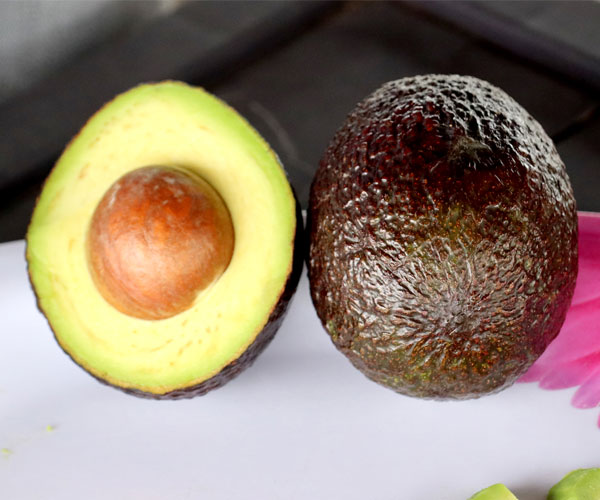
Avocado
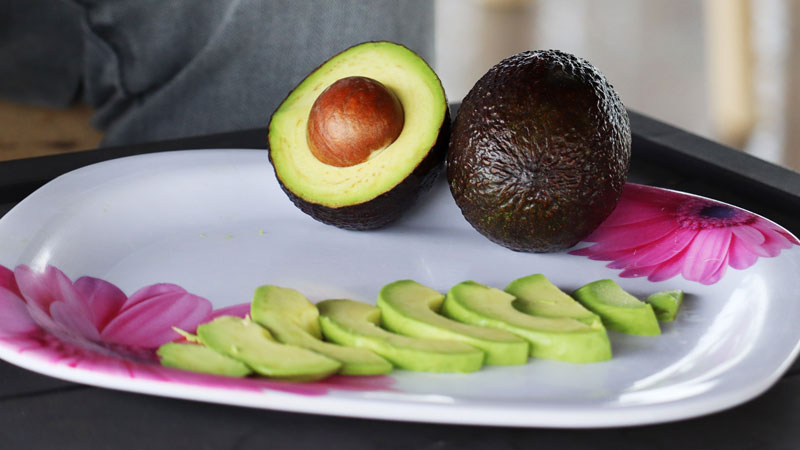
About Avocado
1. Nutrition :
Avocado is often considered a superfood because it is rich in healthy fats, particularly monounsaturated fats. It also contains a variety of essential nutrients, including vitamins (such as vitamin K, vitamin E, vitamin C, and several B vitamins), minerals (including potassium and folate), and dietary fiber.
2. Versatility :
Avocados are incredibly versatile and can be used in a wide range of dishes. They are often used in salads, sandwiches, guacamole (a popular Mexican dip made from mashed avocados), and as a topping for various dishes. Avocado toast has become a trendy and nutritious breakfast option.
3. Ripening :
Avocados can be a bit tricky when it comes to ripening. They are typically sold in grocery stores while still firm. To ripen them at home, you can leave them at room temperature for a few days. To speed up the ripening process, you can place them in a paper bag with a banana or apple, as these fruits release ethylene gas, which promotes ripening.
4. Varieties :
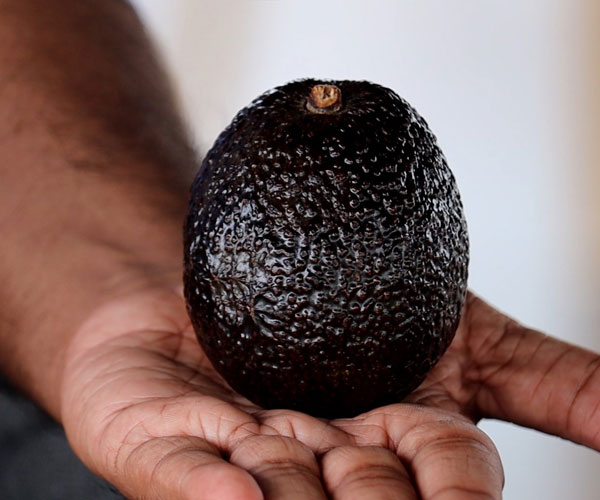
There are many different varieties of avocados, but the two most common types are Hass and Fuerte. Hass avocados have a pebbly skin that turns from green to purplish-black when ripe, while Fuerte avocados have smoother skin and are usually larger in size.
5. Culinary Uses :
Avocado is used in a wide range of dishes, including salads, sandwiches, sushi, and smoothies. It can also be used as a substitute for butter or mayonnaise in recipes to reduce saturated fat content. Additionally, avocados are a key ingredient in traditional Mexican cuisine, contributing to dishes like guacamole, as well as being used as a garnish for tacos and enchiladas.
6. Storage :
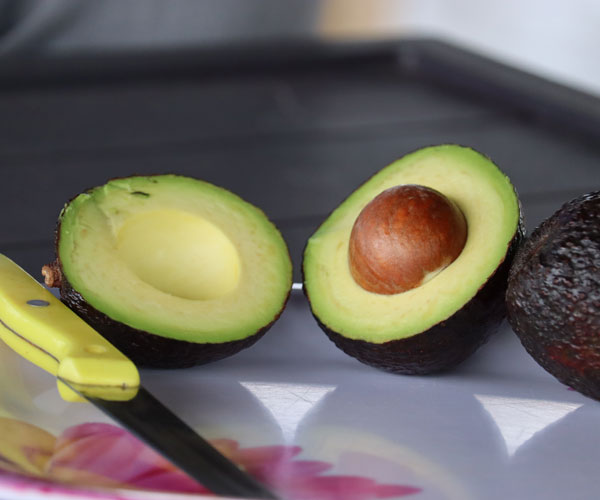
Once an avocado is ripe, it can be stored in the refrigerator for a few days to prolong its freshness. To prevent browning, you can store it with the pit and a sprinkle of lemon or lime juice. Plastic wrap pressed directly against the exposed flesh can also help prevent oxidation.
7. Growth and Production :
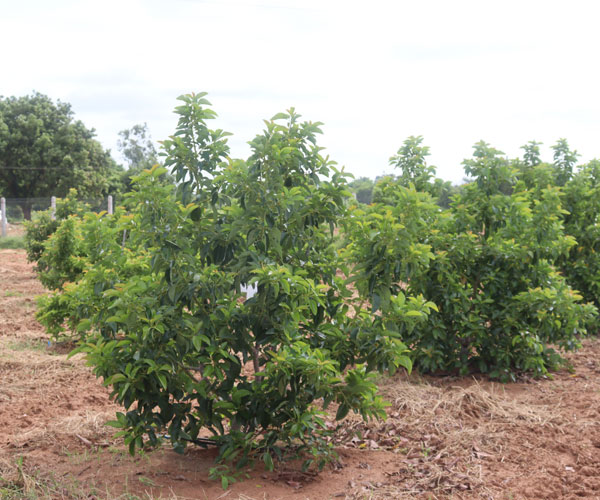
Avocado trees require a warm climate to grow, and they are cultivated in many countries, including Mexico, the United States (especially California and Florida), Chile, and Peru. The production of avocados has been on the rise due to their increasing popularity and health benefits.
8. Environmental Impact :
The cultivation of avocados, particularly in regions with high demand like Mexico and parts of California, has raised concerns about water usage and deforestation. Sustainable farming practices and awareness of these issues are increasingly important in avocado production.
Overall, avocados are not only delicious but also offer a range of health benefits, making them a valuable addition to a balanced diet. However, it’s important to consume them in moderation, as they are calorie-dense due to their fat content.
About Nutritional value of Avocado and its health benefit
– Calories : Approximately 160 kcal
– Protein : About 2g
– Dietary Fiber : Around 7g
– Total Carbohydrates : About 9g
– Sugars : Less than 1g
– Total Fat : Approximately 15g
– Saturated Fat : About 2g
– Monounsaturated Fat (Healthy Fat) : Around 10g
– Polyunsaturated Fat : About 2g
– Vitamins and Minerals
– Potassium : Around 485 mg
– Vitamin K : Approximately 21 mcg
– Vitamin E : Around 2.1mg
– Vitamin C : Approximately 10mg
– Folate : About 81mcg
Health Benefits of Avocado :
1. Heart Health :
Avocados are rich in monounsaturated fats, which are heart-healthy fats. They can help lower bad cholesterol levels (LDL) while increasing good cholesterol levels (HDL), thereby improving overall heart health.
2. Rich in Potassium :
Avocados contain more potassium than bananas. Potassium is essential for maintaining healthy blood pressure levels, which is crucial for heart health and reducing the risk of stroke.
3. Dietary Fiber :
Avocados are a good source of dietary fiber, which aids digestion, prevents constipation, and promotes a feeling of fullness. This can be helpful for weight management and preventing overeating.
4. Nutrient Absorption :
Certain nutrients are fat-soluble, meaning they need to be combined with fat to be utilized effectively by the body. The healthy fats in avocados can enhance the absorption of fat-soluble vitamins like A, D, E, and K.
5. Antioxidants :
Avocados contain antioxidants such as lutein and zeaxanthin, which are essential for eye health and may help reduce the risk of age-related macular degeneration.
6. Anti-Inflammatory Properties :
The compounds found in avocados have anti-inflammatory properties, which can help reduce the risk of inflammatory disorders and conditions.
7. Bone Health :
Avocados contain vitamin K, which is important for bone health. Adequate vitamin K intake can improve calcium absorption and may reduce urinary excretion of calcium.
8. Weight Management :
Despite their calorie content, the high fiber and healthy fat content in avocados can promote a feeling of fullness. This can help control appetite and contribute to weight management when consumed as part of a balanced diet.
9. Skin Health :
The vitamins and antioxidants in avocados can contribute to healthy, glowing skin. They also contain compounds that may help protect the skin from the effects of aging.
10. Blood Sugar Regulation :
Some studies suggest that the monounsaturated fats in avocados can help improve insulin sensitivity, which may assist in regulating blood sugar levels.
It’s important to note that while avocados are nutritious and offer numerous health benefits, they are calorie-dense. Therefore, portion control is key, especially for individuals who are managing their weight. Incorporating avocados into a balanced diet can provide valuable nutrients and contribute to overall health and well-being.
How can avocados be used?
Savory Dishes :
1. Guacamole :
Mash ripe avocados and mix them with chopped onions, tomatoes, cilantro, lime juice, and salt. It’s a popular dip for chips or a topping for tacos and nachos.
2. Salads :
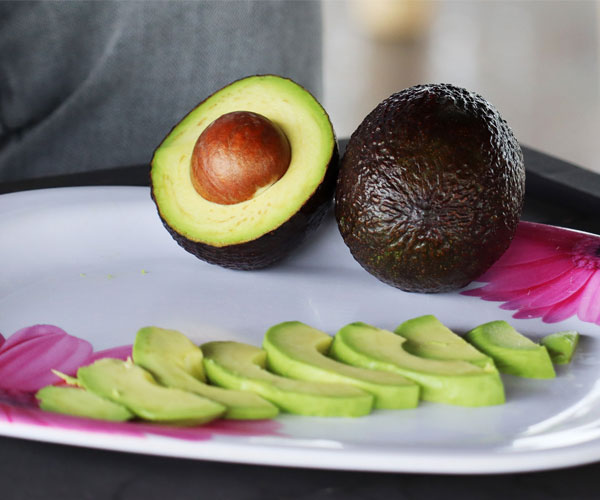
Avocado slices or chunks can be added to salads, enhancing both the flavor and creaminess. They pair well with ingredients like mixed greens, tomatoes, cucumbers, and grilled chicken.
3. Sandwiches and Wraps :
Add avocado slices to sandwiches, burgers, and wraps for a creamy texture. It can replace mayonnaise or cheese in sandwiches.
4. Sushi :
Avocado is a common ingredient in sushi rolls. It adds a buttery texture and complements other ingredients like fish, rice, and vegetables.
5. Soups :
Blend avocado into soups, such as gazpacho, to add thickness and a rich, creamy texture.
6. Eggs :
Avocado halves can be baked with eggs inside, creating a nutritious and delicious breakfast dish.
7. Grilled Avocado :
Cut avocados in half, remove the seed, and grill them. Grilled avocados can be eaten as is or filled with other ingredients like salsa or quinoa.
Sweet Dishes :
1. Smoothies :
Blend avocados into smoothies for a creamy texture. They pair well with fruits like bananas, mangoes, and berries.
2. Desserts :
Avocado can be used in desserts like puddings, mousse, and ice creams. When blended, it creates a silky, creamy texture. Add cocoa powder and sweetener to make a chocolate avocado mousse.
3. Baking :
Avocado can replace butter or oil in baking recipes. It’s especially great in brownies and chocolate cakes, adding moisture and a slightly nutty flavor.
4. Avocado Chocolate Spread :
Blend avocados with cocoa powder and sweetener to create a healthy and creamy chocolate spread for toast or fruit.
5. Avocado Ice Cream :
Blend avocados with condensed milk or coconut milk and freeze the mixture to make a creamy and refreshing ice cream.
Remember, avocados oxidize quickly when exposed to air, turning brown. To prevent browning, store cut avocados with lemon or lime juice, or eat them shortly after cutting.
These are just a few ideas, and the possibilities with avocados are vast. Get creative and experiment to discover new ways to enjoy this nutritious fruit!
Production data of Avocado plant
– full mature tree yield : 25 kg to 40 kg
About Market scope of Avocado in india
The market scope for avocados in India was influenced by several factors:
1. Health Consciousness :
As more people in India became health-conscious, there was a growing demand for nutritious foods like avocados. Avocados are rich in healthy fats, vitamins, and minerals, making them a popular choice among health-conscious consumers.
2. Urbanization :
The demand for exotic and healthy foods tends to be higher in urban areas where people are more exposed to international cuisines and health trends.
3. Changing Lifestyles :
With changing lifestyles, there was a shift in dietary habits. More people were incorporating avocados into their diets due to their versatility and health benefits.
4. Exports :
India also started exporting avocados to other countries, contributing to the growth of the industry. Countries like New Zealand and Thailand were exporting avocados to India as well.
5. Awareness and Availability :
Awareness about avocados and their benefits increased, and they became more readily available in supermarkets and online grocery stores.
However, the market scope and demand may have changed since my last update. For the most accurate and current information, I recommend consulting recent market research reports, agricultural publications, or government sources related to agriculture and horticulture in India.
What type of soil is suitable for the cultivation of Avocado
Here are the key characteristics of suitable soil for avocado cultivation:
1. Well-Draining :
Avocado trees cannot tolerate waterlogged roots. Sandy loam or loamy soil allows water to drain freely, preventing water accumulation around the roots.
2. pH Level :
Avocado trees prefer soil with a slightly acidic to slightly alkaline pH level, ideally between 6 and 7.5. Soil pH can be adjusted with the addition of appropriate amendments if necessary.
3. Organic Matter :
Soil rich in organic matter provides essential nutrients to the avocado tree. You can improve soil fertility by adding compost or well-rotted manure to the planting hole.
4. Aeration :
Good soil aeration is crucial for root development. Compacted soil can hinder root growth, so it’s important to ensure the soil is loose and friable.
5. Nutrient Content :
Avocado trees require essential nutrients, including nitrogen, phosphorus, and potassium. Conducting a soil test can help you determine the nutrient content of the soil, allowing you to amend it as needed.
6. Mulching :
Mulching the base of the avocado tree with organic materials such as straw or wood chips helps retain soil moisture, suppresses weed growth, and adds organic matter to the soil as the mulch breaks down.
Before planting avocados, it’s advisable to perform a soil test and Land analytic report to assess the soil’s pH and nutrient levels. This information can guide you in making appropriate amendments to create the optimal soil conditions for avocado cultivation.
What type of water is suitable for the cultivation of Avocado
Environment criteria for Avocado
1. Climate :
– Temperature : Avocado trees require warm to hot temperatures. They are sensitive to frost and can be damaged by cold weather. The optimal temperature range for avocados is between (16°C to 45°C)*.
– Frost : Avocado trees are highly susceptible to frost. If you live in an area prone to frost, consider planting frost-resistant varieties.
– Rainfall : Avocado trees need well-distributed rainfall, preferably between 30 to 60 inches (75 to 150 cm) annually. However, they also require good drainage, so waterlogged soil should be avoided.
2. Soil :
– Drainage : Avocado trees cannot tolerate waterlogged soil. They need well-draining soil to prevent root rot. Sandy loam or loamy soil types are ideal.
– pH Level : Avocado trees prefer slightly acidic to neutral soil with a pH range of 6 to 7.
3. Sunlight :
– Light : Avocado trees need plenty of sunlight to grow and produce fruit. They prefer full sun, meaning at least 6 to 8 hours of direct sunlight per day.
4. Wind :
– Protection : Avocado trees have shallow root systems, so they can be vulnerable to wind damage, especially when young. Planting windbreaks or providing other forms of wind protection can be beneficial, especially in windy areas.
5. Pollination :
– Flowers and Pollination : Avocado trees have both male and female flowers, but they are not self-pollinating. Most varieties require another avocado tree nearby for cross-pollination to produce fruit. Bees and other pollinators help in the pollination process.
Remember, specific avocado varieties might have slight variations in their environmental requirements, soIt’s always a good practice to conduct a Land analytic report before planting avocado trees to ensure the soil conditions are suitable for their growth.
Give information about the variety of Avocado
1. Hass Avocado :
The Hass avocado is perhaps the most widely recognized and consumed variety. It has a pebbly skin that turns from green to purplish-black when ripe. The flesh is creamy, with a nutty flavor. Hass avocados are available year-round and are commonly used in salads, guacamole, and sandwiches.
2. Reed Avocado :
Reed avocados are large, round avocados with a pebbly skin. They have a creamy texture and a milder taste compared to Hass avocados. Reed avocados are known for their size and are great for slicing and garnishing.
3. Pinkerton Avocado :
Pinkerton avocados are elongated and have a green, pebbly skin. The flesh is creamy and has a slightly nutty flavor. They are available in late fall and winter and are often used in salads and spreads.
4. Lamb Hass Avocado :
Lamb Hass avocados are a variant of the Hass avocado with a more elongated shape. They share many characteristics with the Hass, including the pebbly skin and creamy flesh.
5. Ettinger :
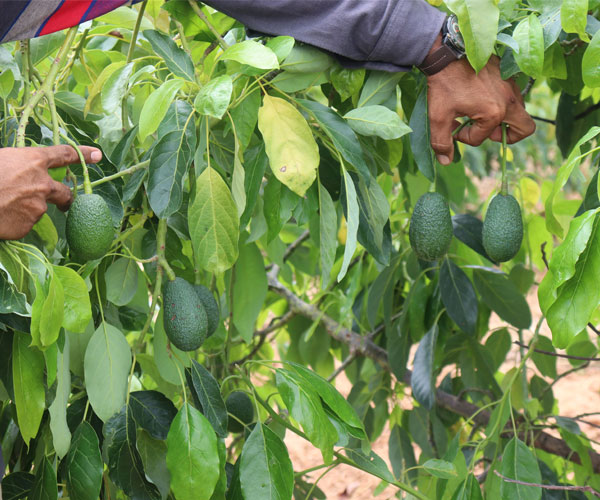
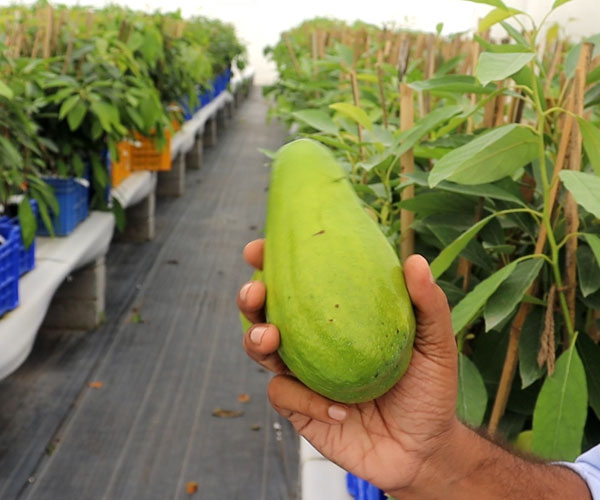
Ettinger avocados are typically pear-shaped, elongated, and slightly curved at the neck.The skin is thin, smooth, and green, often turning slightly yellow when ripe. It does not have a pebbly texture like some other avocado varieties.
It’s important to note that avocado varieties may have different growing requirements and harvesting seasons, so their availability can vary by region. The choice of avocado variety often depends on personal preference and intended culinary use, as each type offers slightly different flavors and textures.
Give information about Avocado cultivation method
1. Climate and Soil :
– Climate : Avocados thrive in warm, tropical and subtropical regions. They are sensitive to frost, so it’s essential to plant them in areas where the temperature doesn’t drop below freezing.
– Soil : Avocados prefer well-draining soil with a pH level between 6 and 7. Sandy loam soil is ideal for avocado cultivation.
2. Variety Selection :
– Choose avocado varieties suitable for your climate. Common varieties include Hass, Fuerte, Bacon, and Reed. Consult an organic clinic experts team for the best choices in your area.
3. Planting :
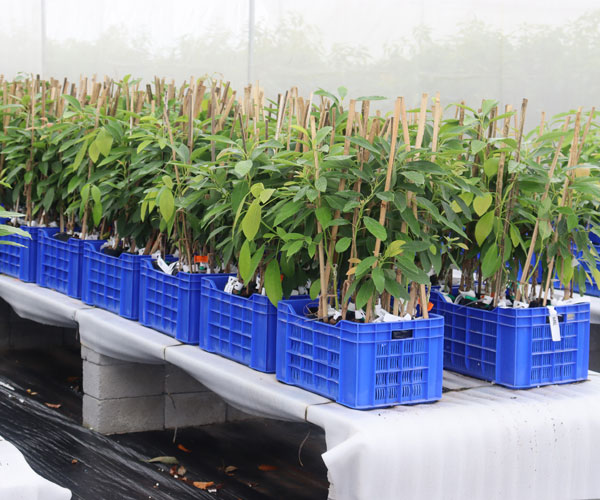
– Nursery Plant : If you’re planting from a nursery plant, Then choose a special rootstock and variety as per your area.
Surely Organic clinic team will help you find your area’s best verity
– Planting Hole : Dig a hole twice as wide and deep as the root ball. Mix the soil with compost or well-rotted manure before planting.
– Planting : Place the young avocado plant gently in the hole, backfill with soil, and water thoroughly.
4. Fertilization :
– Avocado trees require a balanced fertilizer with micronutrients. Use a slow-release fertilizer and follow the manufacturer’s instructions.
– Regularly mulch around the tree to conserve moisture and provide nutrients as it decomposes.
5. Pruning :
– Prune the tree to shape it and remove dead or diseased branches. Proper pruning encourages sunlight penetration and air circulation, essential for healthy growth.
6. Harvesting :
– Avocados don’t ripen on the tree. They’re usually harvested when they mature and then ripen at room temperature over several days to a week.
– Harvest avocados by gently picking them from the tree. Mature avocados usually change color, but this varies based on the variety.
7. Continued Care :
– Regularly monitor the tree’s health, water it adequately, and protect it from extreme weather conditions to ensure a consistent yield.
Remember that successful avocado cultivation requires patience and consistent care. Regular monitoring, proper irrigation, and protection from pests and diseases are key to a healthy avocado orchard. Consulting Organic clinic’s horticulturists can provide region-specific guidance for optimal results.
Plantation size
Recognized size
15ft * 8ft = 360 plant per Acer
10ft * 15ft = 290 plant per Acer
10ft * 20ft = 210 plant per Acer
What is the pre-preparation of land for Avocado cultivation ?
1. Site Selection :
– Choose a site with well-drained soil to prevent waterlogging, as avocados are sensitive to excess water.
– Select a location with good air circulation to reduce the risk of fungal diseases.
2. Soil Testing :
– Conduct a soil test Land Analytic report to determine its pH and nutrient levels and other affecting factors.
– Avocado trees prefer slightly acidic to neutral soil (pH level between 6 and 7).
– Amend the soil if necessary to achieve the right pH level.
3. Clearing the Land :
– Clear the land of any existing vegetation, rocks, and debris.
– Level the ground to ensure uniform irrigation and prevent water stagnation.
4. Soil Amendment :
– Incorporate organic matter such as compost or well-rotted manure into the soil.
– Organic matter improves soil structure, drainage, and fertility.
5. Mulching :
– Apply a layer of organic mulch around the base of the trees.
– Mulch conserves soil moisture, suppresses weed growth, and adds organic matter to the soil as it breaks down.
6. Windbreaks :
– Plant windbreaks or construct wind barriers if the site is exposed to strong winds.
– Wind protection is crucial, especially for young avocado trees, to prevent wind damage.
7. Spacing and Layout :
– Plan the layout of the orchard, considering the mature size of avocado trees.
– Avocado trees require proper spacing to allow for good sunlight penetration and air circulation.
8. Pest and Disease Management :
– Implement preventive measures against common avocado pests and diseases.
– Consult Organic clinic consultancy services for guidance on specific pests and diseases prevalent in your area.
9. Staking and Support (if needed) :
– Provide support and stakes for young trees, especially in windy areas, to promote straight and healthy growth.
10. Regular Monitoring :
– Regularly monitor the orchard for signs of stress, pests, or diseases.
– Adjust irrigation and nutrient management based on the tree’s needs.
By following these pre-preparation steps, you can create an optimal environment for avocado cultivation, ensuring healthy and productive avocado trees
What should be water management for Avocado cultivation?:
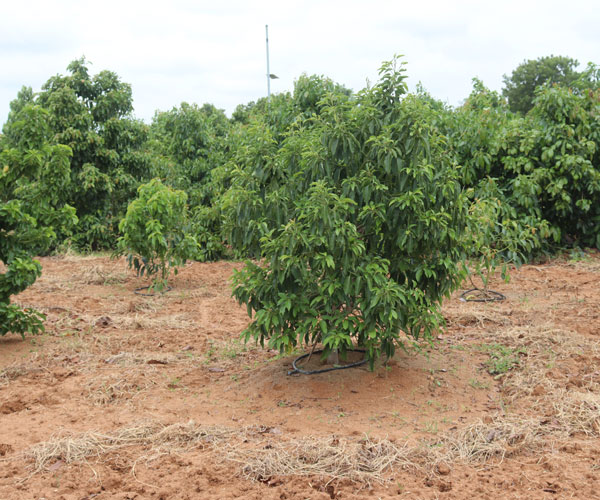
– Avocado trees need regular watering, especially during dry spells.However, they are sensitive to overwatering, so it’s crucial to maintain proper drainage.Use a drip irrigation system to provide a consistent water supply without waterlogging the roots
– It’s good part of crop practice to take advice Organic clinic team for technical matter to irrigate Avocado orchard during flowering and fruit stage
What should be fertilizer management for Avocado cultivation?
for fertilizer program as per Land Analytic report to maintain the sustainable growth and appropriate yield while performing crop practice, for more information you can contact the organic clinic team.
What should be Pest and Disease management for Avocado cultivation ?
– Avocado trees are susceptible to diseases like root rot and powdery mildew. Proper irrigation and drainage can prevent many of these issues.
– If you’re uncertain about managing a particular disease or pest, consult with the Organic clinic team’s horticulturists for expert guidance.
Remember, a combination of preventive measures, proper cultural practices, and timely interventions can significantly reduce the impact of pests and diseases in avocado cultivation.
What should be considered in post-harvest management?
1. Storage :
Proper storage facilities are essential to protect crops from pests, moisture, and temperature fluctuations.
2. Handling :
Gentle handling minimizes damage to produce, reducing losses.
3. Packaging :
Choosing appropriate packaging materials and methods helps maintain product quality.
4. Transportation :
Efficient transportation ensures timely delivery and minimizes damage.
5. Quality control :
Regular quality checks help identify issues early and maintain product integrity.
6. Moisture control :
Maintaining the right moisture levels is crucial to prevent mold and decay.
7. Pest and disease management :
Implement pest control measures to prevent infestations.
8. Temperature control :
Controlling temperature can extend the shelf life of perishable goods.
9. Cleaning :
Properly cleaning and sanitizing equipment and storage areas is vital to prevent contamination.
10. Marketing :
Identifying target markets and marketing strategies to sell products effectively.
11. Value addition :
Processing or packaging products in ways that add value can increase profits.
Consider these factors based on the specific type of crop and local conditions for effective post-harvest management.
Intercropping in avocado farming
Considerations for Intercropping in Avocado Farming :
1. Compatibility :
Avocados have shallow roots, so intercrops should not compete heavily for water and nutrients. Choose plants with compatible root systems.
2. Sunlight :
Ensure that intercrops do not shade the avocado trees excessively, as avocados require full sunlight for optimal growth.
3. Soil Requirements :
Intercrops should have similar soil requirements to avocados. Soil pH, drainage, and nutrient needs should be compatible.
4. Pest and Disease Management :
Some intercrops can act as natural pest repellents or attract beneficial insects. Plan intercrops that can help in pest and disease management.
5. Competition :
Avoid intercrops that might outcompete avocados for resources, especially in the critical early years of avocado tree growth.
Suitable Intercrops for Avocado Farming:
1. Legumes :
Leguminous plants like clover and peas can fix nitrogen in the soil, enhancing fertility.
2. Herbs :
Herbs like basil, mint, and oregano can repel certain pests and attract beneficial insects.
3. Cover Crops :
Plants like cover crops (such as certain grasses and clovers) can protect the soil from erosion and improve soil structure.
4. Fruit and Nut Trees :
Certain fruit trees, such as citrus trees, and nut trees like almonds, have compatible root systems and can be intercropped with avocados.
5. Ground Covers :
Low-growing plants like strawberries can serve as ground covers, protecting the soil and suppressing weed growth.
6. Nitrogen-Fixing Plants :
Plants like lupines and alder trees can help fix nitrogen in the soil, benefiting both avocados and themselves.
7. Bee-Friendly Plants :
Flowering plants like lavender and marigolds can attract pollinators, benefiting both avocados and the intercrops.
Remember that the choice of intercrop can vary based on the specific avocado variety, climate, soil type, and local agricultural practices. It’s essential to consult with local agricultural experts or agronomists who are familiar with the specific conditions of your region to determine the most suitable intercrops for your avocado farm. Proper planning and management are key to successful intercropping in avocado farming.
What are the risks in the cultivation of Avocado ?
1. Climate and Weather :
Avocado trees are sensitive to extreme weather conditions. Frost can damage or kill young trees and sensitive fruit. Additionally, excessive heat and drought can stress the trees, leading to poor fruit development and lower yields.
2. Diseases :
Avocado trees are susceptible to various diseases, including root rot (caused by waterlogged soil), anthracnose, powdery mildew, and Phytophthora cinnamomi. These diseases can significantly reduce yield and quality.
3. Pests :
Avocado orchards can be affected by pests like aphids, mites, beetles, and caterpillars. These pests can damage leaves, flowers, and fruits, leading to economic losses.
4. Soil Quality :
Avocado trees require well-draining soil. If the soil is not suitable, it can lead to waterlogging, root diseases, and poor growth.
5. Water Management :
Avocado trees need a consistent and adequate supply of water. Drought or inconsistent watering can stress the trees and affect fruit development.
6. Market Fluctuations :
The market for avocados can be volatile. Prices can fluctuate due to various factors such as demand, supply, and global economic conditions. Farmers might face challenges if market prices drop significantly.
7. Labor and Labor Costs :
Avocado cultivation often requires intensive labor, especially during planting, harvesting, and pruning seasons. Labor shortages or increasing labor costs can impact the overall profitability of avocado farming.
8. Regulatory Challenges :
Farmers may face challenges related to regulations, permits, and environmental concerns, especially in areas where water usage and environmental impact are closely monitored.
9. Bearing and Alternate Bearing :
Avocado trees are known for their alternate bearing pattern, where they produce a large crop one year (high-bearing) and a smaller crop the next year (low-bearing). This fluctuation can make it challenging for farmers to predict their income accurately.
Farmers often employ various strategies, including careful site selection, disease and pest management, irrigation techniques, and market diversification, to mitigate these risks and ensure a successful avocado cultivation venture.
Picture Gallery