Mango
About Mango
1. Varieties :
There are over 1,000 different varieties of mangoes, each with its own unique taste, texture, and size. Some popular varieties include Kesar, Rajapuri, Totapuri, Amrapali, Sonpari, Langado, Benganpalli, Alphonso and many more.
2. Appearance :
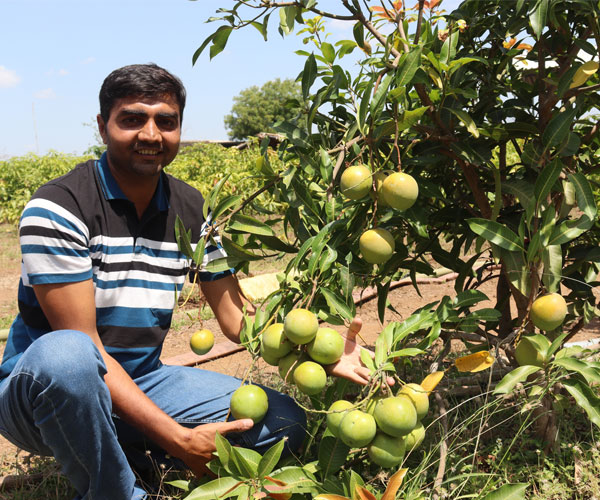
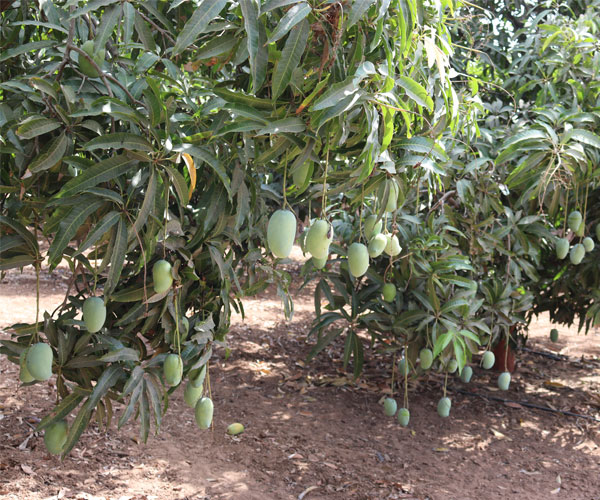
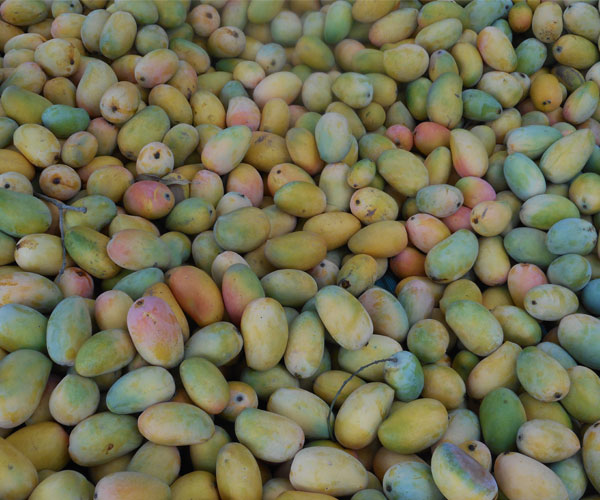
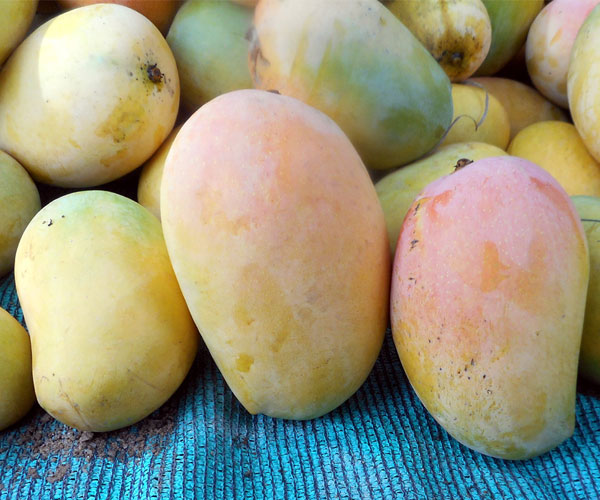
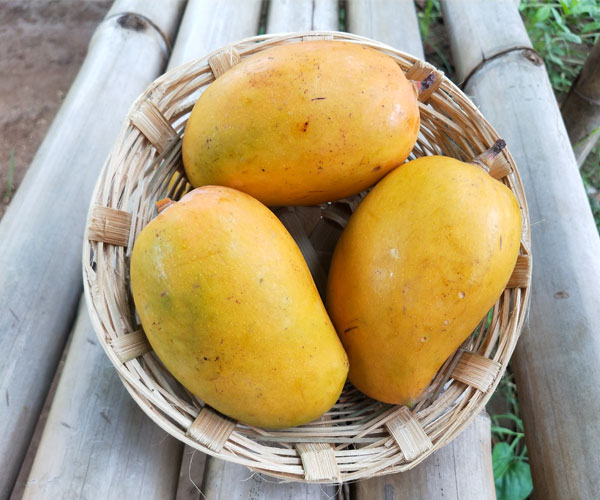
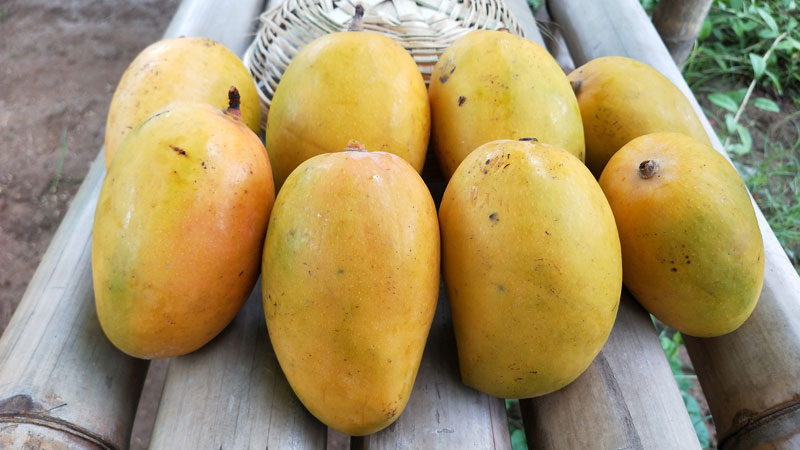
Mangoes are typically oval-shaped and vary in size from small to large, depending on the variety. They have a thin, smooth skin that can range in color from green to yellow, orange, or red, depending on the ripeness.
3. Taste and Texture :
Mangoes are known for their sweet, tropical flavor and juicy, succulent texture. The flesh can be fibrous or smooth, again depending on the variety.
4. Cultivation :
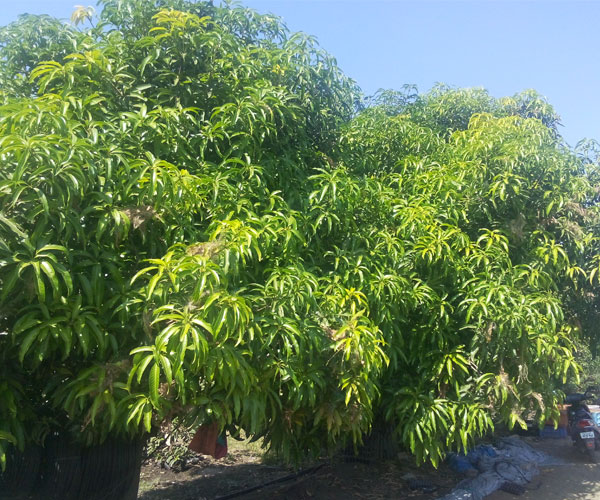
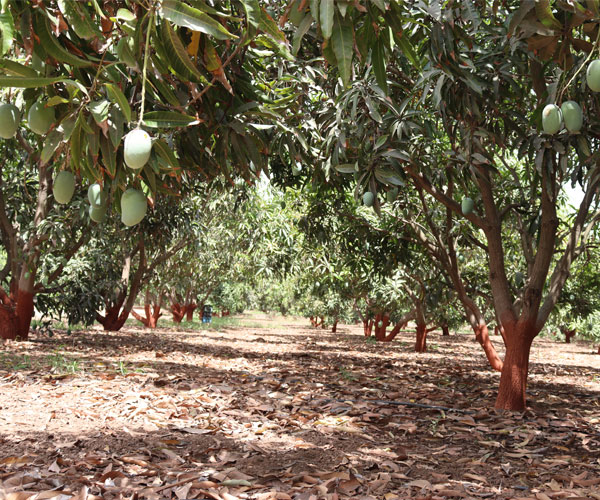
Mango trees require a warm climate to grow, and they thrive in tropical and subtropical regions. They need well-drained soil and plenty of sunlight. Mango trees can take several years to start producing fruit, but once established, they can bear fruit for many decades.
5. Cultural Significance :
Mangoes are not only valued for their taste but also hold cultural significance in many countries. They are often considered the “king of fruits” in some parts of the world and are associated with festivals, traditions, and rituals.
6. Harvesting Season :
Mangoes have a specific harvesting season depending on the variety and location. Generally, the peak season for mangoes is during the summer months.
About Nutritional value of mango and its health benefit
Nutritional Value of Mango (per 100g serving) :
– Calories : 60-70 kcal
– Carbohydrates : 15g
– Sugars : 14g
– Dietary Fiber : 1.6g
– Protein : 0.8g
– Fat : 0.4g
– Vitamin C : 36.4mg (about 60% of the daily recommended intake)
– Vitamin A : 54µg (about 6% of the daily recommended intake)
– Vitamin E : 0.9mg
– Vitamin K : 4.2µg
– B Vitamins (B6, Folate) : Present in moderate amounts
– Minerals : Potassium, magnesium, copper
– Antioxidants : Carotenoids, flavonoids, quercetin, astragalin, etc.
Health Benefits of Mango :
1. Rich in Nutrients :
Mangoes are a good source of vitamins, particularly vitamin C, A, and E. They also provide essential minerals like potassium and magnesium.
2. Boosts Immunity :
High vitamin C content boosts the immune system and helps the body fight off infections.
3. Improves Digestion :
Mangoes contain enzymes like amylase, which aid in digestion. The fiber content also helps prevent constipation and promotes regular bowel movements.
4. Supports Eye Health :
The vitamin A content in mangoes promotes good eyesight and prevents night blindness and dry eyes.
5. Aids in Weight Loss :
Despite being sweet, mangoes are low in calories and fat. The fiber content keeps you feeling full, aiding in weight management.
6. Promotes Heart Health :
Mangoes contain potassium, which helps maintain a healthy pulse and blood pressure levels. The high fiber and vitamin C content also contribute to a healthy heart.
7. Improves Skin and Hair Health :
The vitamins and antioxidants in mangoes contribute to healthier skin and hair.
8. Alkalizes the Body :
Despite their acidic taste, mangoes have an alkalizing effect on the body when consumed, helping balance the body’s pH levels.
9. Reduces the Risk of Age-Related Macular Degeneration (AMD) :
Mangoes are rich in zeaxanthin, which is important for eye health and may reduce the risk of AMD.
While mangoes are incredibly nutritious and offer various health benefits, it’s essential to consume them as part of a balanced diet. Moderation is key, especially for individuals monitoring their sugar intake, as mangoes are naturally high in sugars
How can Mango fruit be used?
1. Eating Fresh :
The simplest way to enjoy a mango is to peel off the skin and eat the flesh directly from the pit. It’s delicious, juicy, and sweet.
2. Smoothies :
Mangoes can be blended into smoothies, adding natural sweetness and a creamy texture. They go well with other fruits like bananas, strawberries, and pineapples.
3. Salads :
Mangoes can be sliced or cubed and added to salads for a burst of sweetness. They pair well with mixed greens, avocados, red onions, and a variety of dressings.
4. Salsas :
Mango salsa is a popular condiment that can be served with grilled chicken, fish, or tortilla chips. It typically includes diced mango, onions, cilantro, lime juice, and sometimes jalapeños for a spicy kick.
5. Desserts :
Mangoes can be used in desserts like puddings, ice creams, sorbets, and cakes. Mango puree or slices can be incorporated into these recipes.
6. Chutneys :
Mango chutney is a flavorful condiment made with mango, sugar, vinegar, and spices. It can be served with curry dishes or grilled meats.
7. Preserves and Jams :
Mangoes can be cooked down with sugar and preserved to make mango jam or mango preserves. These can be spread on toast or used as a filling in pastries.
8. Dried Mango :
Mango slices can be dried and preserved. Dried mangoes make for a tasty and healthy snack.
9. Beverages :
Mangoes can be used to make refreshing beverages like mango juice, smoothies, and cocktails. Mango juice is also a base for many mocktails and cocktails.
10. Curries :
In some cuisines, particularly in Indian and Thai cooking, ripe or unripe mangoes are used in curries for a unique sweet and sour flavor.
11. Pickles :
Unripe or raw mangoes are used to make pickles in several cultures. These pickles are tangy and can be eaten with rice or bread.
12. Mango Butter :
Mango butter is made from the seed of the mango. It’s similar to shea or cocoa butter and is used in cosmetic products like lotions and balms due to its moisturizing properties.
Remember that the uses of mangoes can vary based on their ripeness. Ripe mangoes are sweet and are typically used in desserts and smoothies, while unripe or raw mangoes are sour and are used in savory dishes and pickles.
Production data of mango plant
– full mature tree yield : 25 kg to 100 kg
Market scope of mango in India
Domestic Market :
1. Consumption :
Mangoes are widely consumed across India, and the domestic market is substantial. The fruit is enjoyed by people of all ages and is a popular choice during the summer season.
2. Varieties :
India is home to several varieties of mangoes, including Alphonso (Hapus) from Maharashtra, Dasheri from Uttar Pradesh, Langda from Bihar, Kesar from Gujarat, and Banganapalli from Andhra Pradesh, among others. Each variety has its unique taste and texture, catering to diverse consumer preferences.
3. Processing Industry :
Mangoes are processed into various products such as pulp, juice, pickles, and chutneys. The processed mango products have a steady demand both domestically and internationally.
Export Market :
1. Major Exporter :
India is a significant exporter of mangoes. The country exports mangoes to various countries around the world, including the United States, the United Kingdom, UAE, Saudi Arabia, and neighboring countries.
2. Regulations :
Export of mangoes is subject to phytosanitary regulations and quality standards set by importing countries. Adhering to these standards is crucial for Indian mango exporters to maintain market access and consumer trust.
3. Variety for Export :
Alphonso mangoes, also known as Hapus, are particularly famous for export due to their unique taste and aroma. They are in high demand in international markets.
4. Growing Demand :
With the growing awareness of health benefits associated with mango consumption, there is a rising demand for Indian mangoes in the global market.
Challenges :
1. Quality Control :
Maintaining consistent quality is essential for both domestic consumption and exports. Proper post-harvest handling, storage, and transportation are critical to preserving the freshness of the fruit.
2. Competition :
India faces competition from other mango-producing countries in the international market. Therefore, maintaining quality and competitive pricing is crucial for market sustainability.
In summary, the market scope of mangoes in India is extensive, encompassing domestic consumption and international exports. India’s diverse varieties, rich taste, and large-scale production make it a key player in the global mango market. However, to sustain and expand this market, it is essential for farmers and exporters to focus on quality, adhere to regulations, and remain competitive in the global arena.
What type of soil is suitable for the cultivation of Mango
1. Well-Drained Soil :
Mango trees do not tolerate waterlogged soil. They need well-drained soil to prevent water from stagnating around the roots, which can lead to root rot. Sandy loam and loamy soils are considered ideal because they provide good drainage.
2. pH Level :
Mango trees prefer slightly acidic to neutral soil with a pH range between 5.5 and 7.5. Soil pH outside this range can affect nutrient availability to the plant.
3. Rich in Organic Matter :
Mango trees benefit from soil rich in organic matter. Compost or well-rotted manure can be added to the soil before planting to enhance its fertility and structure.
4. Aeration :
Good soil aeration is crucial for the healthy growth of mango trees. Compacted or clayey soils can restrict root growth and lead to poor development of the tree.
5. Salinity :
Mango trees are sensitive to saline soils. Soil with high salt content can adversely affect mango cultivation. Proper soil Analytical report can determine the salinity levels.
6. Warm Climate :
While not a soil characteristic, it’s important to note that mango trees thrive in warm tropical and subtropical climates. Frost can damage mango trees, so they are best suited for regions where the temperature rarely falls below freezing.
Remember that proper irrigation and drainage practices are as important as soil characteristics. Over-watering or under-watering can both be detrimental to mango trees. It’s always a good practice to conduct a Land analytic report before planting mango trees to ensure the soil conditions are suitable for their growth.
What type of water is suitable for the cultivation of Mango
Environment criteria for Mango
1. Climate :
– Temperature : Mangoes thrive in warm tropical and subtropical climates. They require temperatures between 21°C to 45°C for optimal growth.
– Frost-Free Period : Mango trees are sensitive to frost. They require a frost-free period to grow properly.
2. Sunlight :
– Mango trees need full sunlight for at least 8 hours a day to grow and produce fruit. Lack of sunlight can lead to poor fruiting and slow growth.
3. Rainfall :
– Watering : While mango trees are drought-resistant, they need regular watering, especially during dry spells. Adequate water is crucial, especially during flowering and fruit development.
– Rainfall : Mango trees require a well-distributed rainfall pattern. Excessive rainfall during flowering can lead to poor fruit set, and constant waterlogging can cause root rot.
4. Humidity :
– Mango trees require a dry period with low humidity (around 50-70%) during flowering for a better fruit set. High humidity can lead to flower and fruit diseases.
5. Wind :
– While mango trees can tolerate some wind, strong winds, especially during flowering, can damage the flowers and young fruit. Planting windbreaks can help protect the trees.
6. Altitude :
– Mangoes are typically grown at elevations up to 3,000 feet (900 meters) above sea level. They are not suited for high-altitude regions.
7. Pollination :
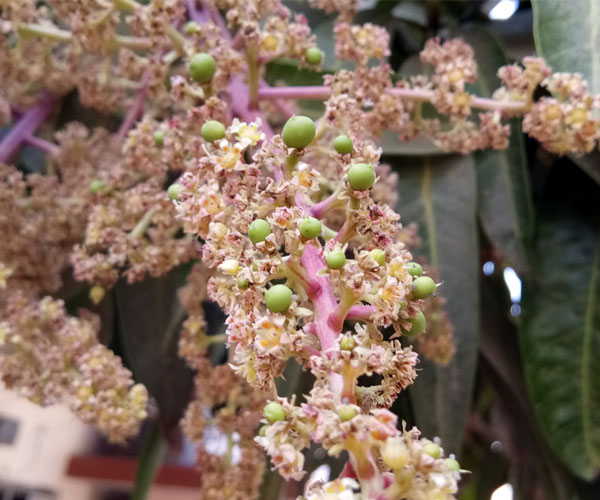
– Most mango varieties are self-pollinating, but having pollinators like bees can increase fruit production. Certain varieties may benefit from cross-pollination.
By ensuring these environmental criteria are met, mango growers can expect healthy trees and a good yield of delicious, ripe mangoes.For best crop practices communicate with Organic clinic team
Give information about the variety of Mango
– Rajapuri
– Totapuri
– Amrapali
– Dasheri
– Chaunsa
– Benganpalli
– Barmasi
– Langado
– Sonpari
Give information about Mango cultivation method
1. Selection of Suitable Mango Variety :
Choose a mango variety that is suitable for your region’s climate and soil type. Popular varieties include Kesar Rajapuri, Totapuri, Langado, Dasheri, Amrapali, Sonpari etc.
2. Site Selection :
Select a well-drained site with good sunlight exposure. Mango trees require full sunlight for optimum growth and fruit production.
3. Soil Preparation :
Prepare the soil by plowing and leveling the land. Mango trees prefer loamy soil with good drainage. Land Analytic testing can help determine the soil’s pH and nutrient content, allowing for appropriate amendments.
Planting Basal dose program
Prepare a good basal dose fertilizer program as per soil Testing report to maintain the amount of organic carbon while planting new crops, for more information you can contact the organic clinic team.
4. Planting :
Plant mango trees during the planting season, usually in the rainy season. Dig a pit large enough to accommodate the roots without bending them. Plant the tree at the same depth it was in the nursery and water thoroughly after planting.
5. Pruning and Training :
Prune the mango trees to maintain their shape and remove dead or diseased branches. Training young trees through proper pruning helps develop a strong scaffold structure.
6. Harvesting :
Mangoes generally take a few months to ripen after flowering. The harvesting time varies depending on the variety. Harvest when the fruit is fully mature but still firm. Usually, mangoes are harvested by hand.
7. Regular Monitoring and Maintenance :
Regularly monitor the orchard for signs of pests, diseases, or nutrient deficiencies. Proper maintenance, including mulching, weeding, and occasional pruning, is essential for healthy mango trees.
By following these steps and paying attention to the specific needs of the mango variety you are cultivating, you can establish a productive mango orchard. Remember that local conditions and varieties might require slight adjustments in the cultivation practices. Consulting with Organic clinic team experts can provide region-specific guidance.
Plantation size
Recognized size
– 15ft * 15ft = 200 plant per Acer (Common for now days )
– 12ft * 8ft = 450 plant per Acer (HDP method)
– 12ft * 5ft = 725 plant per Acer (UHDP method)
What is the pre-preparation of land for Mango cultivation ?
1. Site Selection :
– Choose a site with well-drained soil to prevent waterlogging.
– Select a location with good sunlight exposure for at least 8 hours a day.
– Ensure the site is away from industrial pollution and other contaminating factors.
2. Land Clearing :
– Clear the land of any weeds, rocks, or debris.
– Remove any unwanted trees or vegetation to provide ample space and sunlight for mango trees.
3. Land Leveling :
– Level the land to ensure uniform distribution of water during irrigation.
– Proper leveling prevents water stagnation and aids in efficient water use.
4. Digging pits :
– Dig pits of appropriate size (suggested dimension) at a suitable distance (suggested size).
– The pits should be filled with well-rotted farmyard manure or compost mixed with topsoil.
5. Organic Matter Addition :
– Incorporate organic matter (compost, well-rotted manure) into the soil to enhance its fertility and structure.
– Organic matter improves water retention and provides essential nutrients to the mango plants.
6. Drainage Provision :
– Ensure proper drainage by creating channels or drains, especially if the area is prone to waterlogging.
– Inadequate drainage can lead to root rot and other diseases.
7. Irrigation System :
– Set up an efficient irrigation system such as drip irrigation or a sprinkler system.
– Mango trees need regular watering, especially during dry spells and flowering/fruiting periods.
8. Mulching :
– Apply mulch around the base of young mango trees to conserve soil moisture and suppress weed growth.
9. Support Structures (if necessary) :
– If you are cultivating dwarf or other mango varieties, install support structures to prevent bending or breaking of branches due to the weight of the fruit.
10. Fencing :
– Erect a fence around the orchard to protect the mango trees from animals and unauthorized access.
By following these pre-preparation steps, you can create an optimal environment for mango cultivation, ensuring healthy growth and high yield. Remember that specific recommendations might vary based on the mango variety and local soil conditions, so it’s always advisable to consult Organic clinic experts team tailored guidance.
What should be water management for Mango cultivation?
– Best crop practice of Mango drip irrigation system must be required.
– Orchard irrigation done according to soil type, plant age and humidity and temperature of climate
– It’s good part of crop practice to take advice Organic clinic team for technical matter to irrigate Mango orchard during flowering and fruit stage
What should be fertilizer management for Mango cultivation?
for fertilizer program as per Land Analytic report to maintain the sustainable growth and appropriate yield while performing crop practice, for more information you can contact the organic clinic team.
What should be Pest and Disease management for Mango cultivation?
About Bagging of mango fruit
Benefits of Bagging :
Protection from Pests : Bagging protects mangoes from fruit flies, birds, and other insects, reducing the need for chemical pesticides.
Prevention of Diseases: Bagging prevents the spread of diseases by creating a barrier between the fruit and the external environment.
Improved Appearance: Bagged mangoes often have better color and appearance as they are shielded from direct sunlight.
What should be considered in post-harvest management?
1. Storage :
Proper storage facilities are essential to protect crops from pests, moisture, and temperature fluctuations.
2. Handling :
Gentle handling minimizes damage to produce, reducing losses.
3. Packaging :
Choosing appropriate packaging materials and methods helps maintain product quality.
4. Transportation :
Efficient transportation ensures timely delivery and minimizes damage.
5. Quality control :
Regular quality checks help identify issues early and maintain product integrity.
6. Moisture control :
Maintaining the right moisture levels is crucial to prevent mold and decay.
7. Pest and disease management :
Implement pest control measures to prevent infestations.
8. Temperature control :
Controlling temperature can extend the shelf life of perishable goods.
9. Cleaning :
Properly cleaning and sanitizing equipment and storage areas is vital to prevent contamination.
10. Marketing :
Identifying target markets and marketing strategies to sell products effectively.
11. Value addition :
Processing or packaging products in ways that add value can increase profits.
Consider these factors based on the specific type of crop and local conditions for effective post-harvest management.
Intercropping in mango farming
1. Leguminous Crops :
Planting leguminous crops like peas, beans, or lentils between mango trees helps fix nitrogen in the soil. These crops are nitrogen-fixing plants, meaning they have a symbiotic relationship with nitrogen-fixing bacteria, which enriches the soil naturally.
2. Groundnut (Peanut) Cultivation :
Groundnut is a popular intercrop choice in mango orchards. It has a relatively shallow root system that does not compete significantly with mango trees for nutrients. Groundnut also adds organic matter to the soil when its remains decompose.
3. Green Manure Crops :
Growing green manure crops like sunhemp or clover can improve soil fertility. These crops are grown and then plowed back into the soil, enriching it with organic matter.
4. Leafy Vegetables :
Vegetables like spinach, fenugreek, or amaranthus can be grown between young mango trees. These crops do not require much space, and their fast-growing nature allows farmers to harvest them before they start shading the mango trees excessively.
5. Pulses and Oilseeds :
Crops like chickpeas, pigeon peas, or sesame can be intercropped with mango. They add diversity to the farm, provide additional income, and have HBdifferent nutrient requirements than mango trees, minimizing competition.
6. Cover Crops :
Cover crops like cowpeas or clover can be sown during the off-season to prevent soil erosion and maintain soil fertility. These crops cover the soil, reducing weed growth and preserving moisture.
7. Fruit and Spice Crops :
Depending on the climate and region, farmers can intercrop mango trees with other fruit trees like guava, papaya, or banana. Additionally, spice crops like turmeric or ginger can be grown between mango trees.
8. Beekeeping :
Introducing beekeeping in mango orchards can enhance pollination, leading to better fruit set and increased mango yield. Bees also produce honey, providing an additional source of income for farmers.
9. Agroforestry Systems :
Implementing agroforestry systems that combine mango trees with other trees, shrubs, and crops can create a sustainable and diverse agricultural ecosystem.
It’s essential to consider the specific climatic conditions, soil type, and the variety of mango being cultivated when choosing intercrops. Proper planning and management are crucial to ensuring that both the mango trees and intercrops thrive without negatively impacting each other’s growth and development. Farmers may also seek advice from agricultural experts or local agricultural extension services for tailored recommendations based on their specific farming context.
What are the risks in the cultivation of Mango ?
1. Climate and Weather :
Mango trees are sensitive to extreme weather conditions. Frost, drought, or unseasonal rains can damage the flowers and fruits, leading to reduced yields or even crop failure.
2. Diseases :
Mango trees are susceptible to various diseases such as anthracnose, powdery mildew, and bacterial black spot. These diseases can significantly reduce the yield and quality of mangoes.
3. Pests :
Common pests like mango fruit fly, mango hoppers, and mealybugs can infest mango orchards, leading to damaged fruits and decreased productivity if not managed effectively.
4. Poor Soil Quality :
Mango trees require well-draining soil rich in organic matter. Poor soil quality, lack of proper nutrients, or improper soil drainage can affect the growth and development of mango trees.
5. Market Fluctuations :
The market price for mangoes can fluctuate due to various factors such as supply and demand, weather conditions in other mango-producing regions, and changing consumer preferences.
6. Labor Shortage :
Finding skilled labor for activities like pruning, harvesting, and pest management can be a challenge in many regions, which can affect the overall productivity.
7. Post-Harvest Losses :
Improper handling, storage, or transportation can lead to post-harvest losses. Mangoes are perishable fruits and need proper care to maintain their freshness and quality.
8. Land and Water Management :
Mango cultivation requires significant amounts of water. Water scarcity or improper irrigation techniques can adversely affect mango orchards. Additionally, issues related to land tenure and land use policies can impact mango cultivation.
9. Market Demand :
Shifting market demands and consumer preferences can affect the marketability of specific mango varieties. Farmers need to adapt to changing market demands to remain competitive.
10. Regulatory Challenges :
Regulatory changes, certifications, and compliance with agricultural standards can pose challenges for mango farmers, especially if they are not well-informed or prepared for such changes.
To mitigate these risks, mango farmers often employ various strategies such as crop insurance, integrated pest management practices, soil testing and appropriate fertilization, and staying updated with market trends and agricultural regulations. Proper planning, knowledge, and proactive management are crucial in successfully dealing with these challenges.
Picture Gallery