Dragon Fruit
About Dragon fruit
1. Appearance :
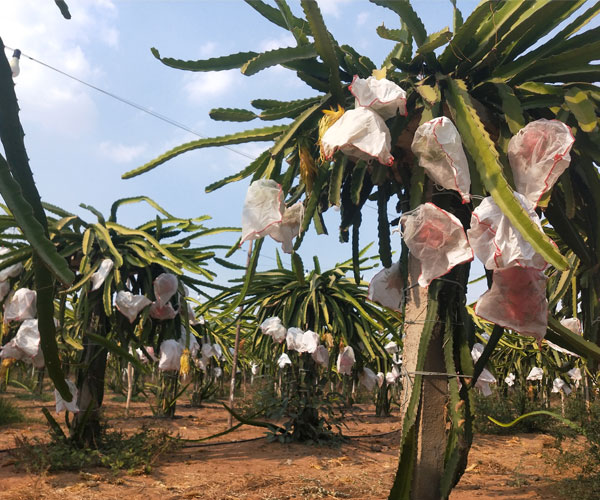
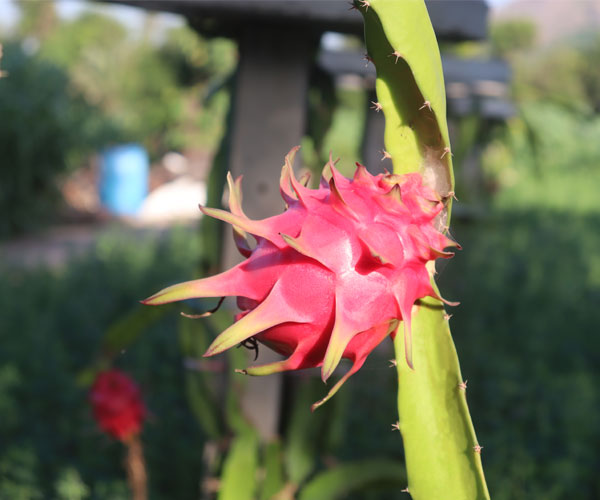
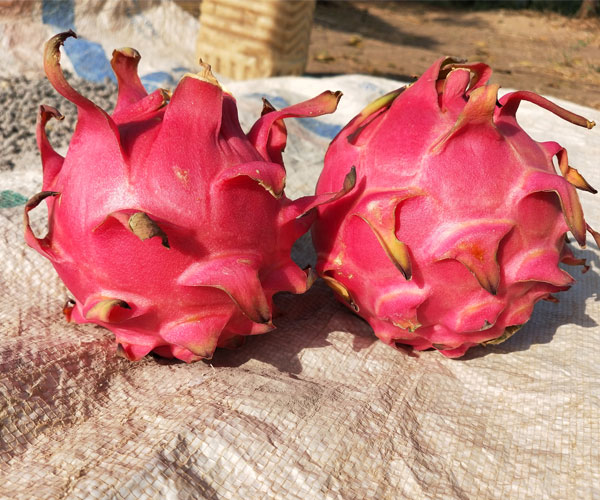
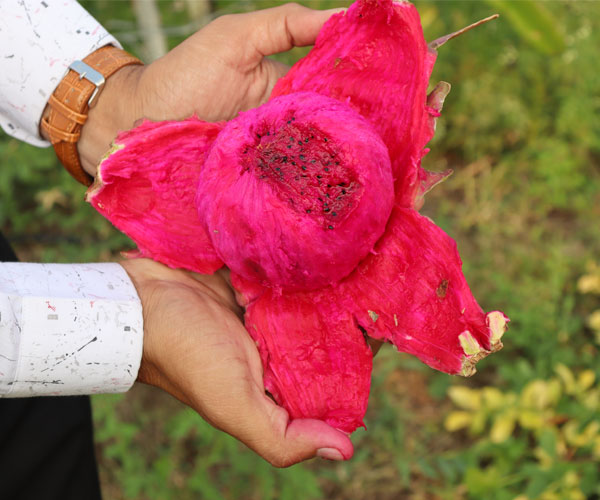
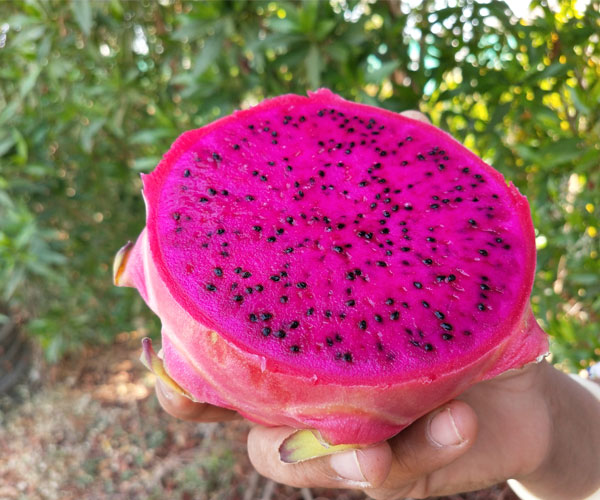
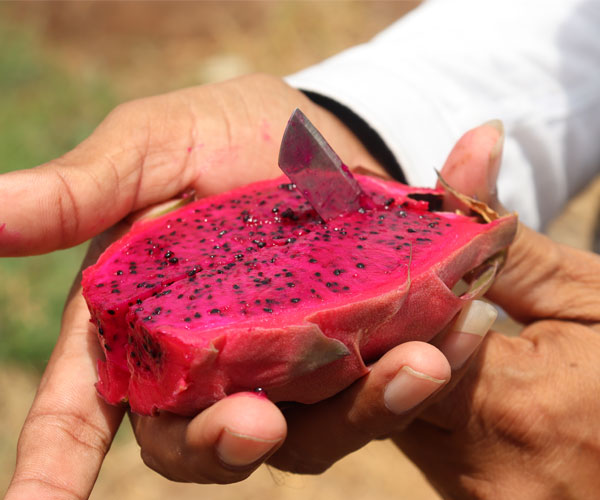
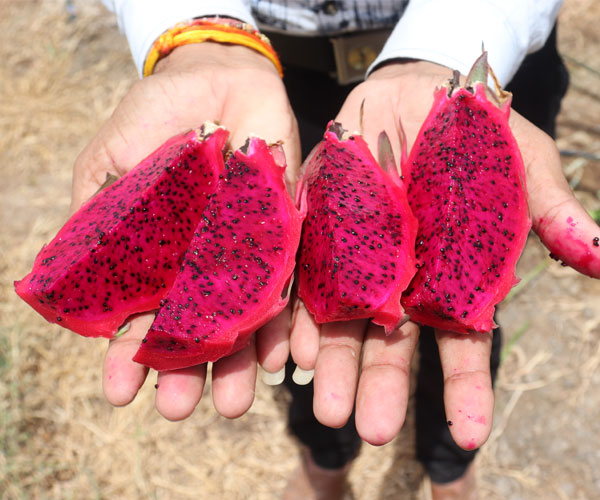
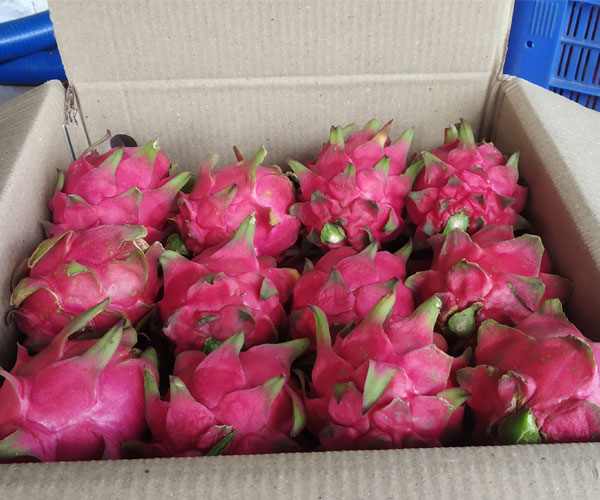
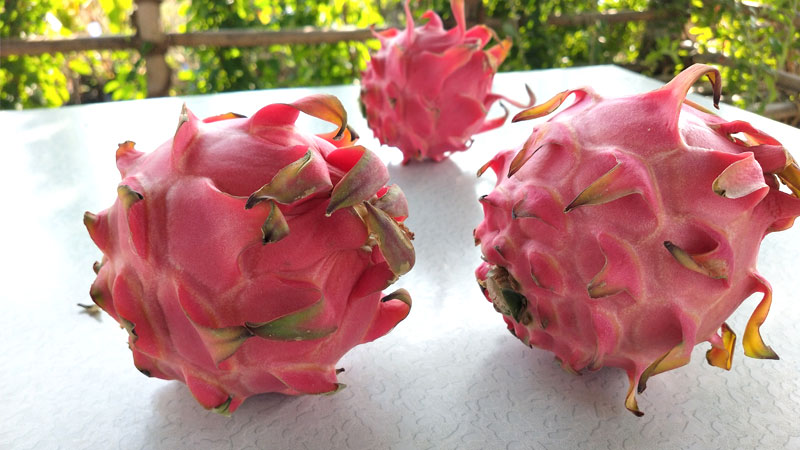
Dragon fruit has a distinctive, bright pink or yellow skin with green scales resembling the shape of a dragon. The flesh inside can be either white or red, speckled with tiny black seeds.
2. Taste :
The flavor of dragon fruit can be described as mildly sweet, similar to a blend of kiwi and pear. The texture is often compared to that of a kiwi due to its small, crunchy seeds.
3. Growing Conditions :
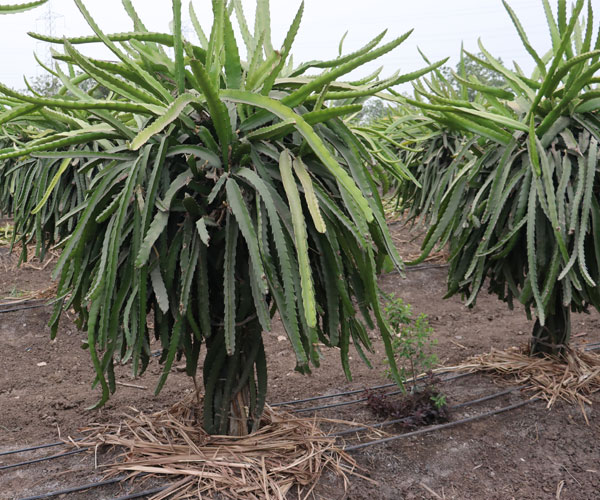
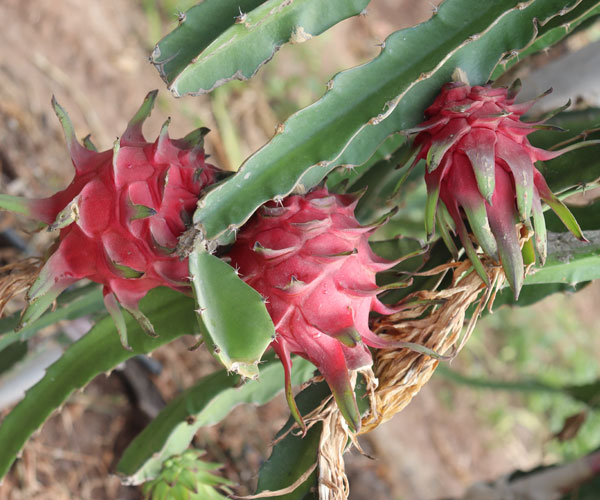
Dragon fruit grows on a cactus plant known as Hylocereus. It thrives in tropical and subtropical regions and requires well-drained soil and plenty of sunlight.
About the nutritional value of dragon fruit and its health benefits
Nutritional Value (per 100g of raw dragon fruit)
– Calories: 60-65 kcal
– Carbohydrates: 9-14g
– Dietary Fiber: 1-2g
– Protein: 1-2g
– Fat: 0-1g
– Vitamin C: 9-10mg (about 15% of the daily recommended intake)
– Vitamin B1 (Thiamine): 0.04mg (about 3% of the daily recommended intake)
– Vitamin B2 (Riboflavin): 0.04mg (about 2% of the daily recommended intake)
– Vitamin B3 (Niacin): 0.59mg (about 3% of the daily recommended intake)
– Iron: 0.65mg (about 4% of the daily recommended intake)
– Magnesium: 9-10mg
– Calcium: 8-9 mg
– Antioxidants: Dragon fruit is rich in antioxidants like betalains and vitamin C, which help protect cells from damage caused by free radicals.
Health Benefits :
1. Rich in Vitamins and Antioxidants :
Dragon fruit is an excellent source of vitamin C, which supports a healthy immune system and helps the body absorb iron. Its antioxidant content may also reduce the risk of chronic diseases.
2. Dietary Fiber :
The fiber in dragon fruit aids digestion and can help regulate blood sugar levels. It also promotes a feeling of fullness, which can aid in weight management.
3. Heart Health :
The low cholesterol and high fiber content of dragon fruit can contribute to heart health by reducing the risk of cardiovascular diseases.
4. Hydration :
Dragon fruit has a high water content, helping to keep you hydrated, especially in hot climates.
5. Skin Health :
The vitamin C and antioxidants in dragon fruit may promote healthy skin by reducing the signs of aging and protecting against skin damage.
6. Cancer Prevention :
Some studies suggest that the antioxidants in dragon fruit may have anticancer properties and help inhibit the growth of certain cancer cells.
7. Asthma Management :
The vitamin C in dragon fruit may help reduce the severity of asthma symptoms.
8. Digestive Health :
The fiber in dragon fruit can aid in regular bowel movements and prevent constipation.
Remember that the nutritional content of dragon fruit can vary depending on the variety and ripeness. Including a variety of fruits and vegetables in your diet, including dragon fruit, can contribute to overall health and well-being.
How can dragon fruit be used?
Dragon fruit can be used in various ways :
1. Eating Fresh :
The most common way to enjoy dragon fruit is by cutting it in half and scooping out the flesh with a spoon. It has a mildly sweet and refreshing flavor.
2. Smoothies :
Dragon fruit makes a colorful and nutritious addition to smoothies. Simply blend the flesh with other fruits, yogurt, and a liquid of your choice.
3. Fruit Salad :
Dice dragon fruit and add it to fruit salads for an exotic touch and vibrant color.
4. Sorbet :
Make dragon fruit sorbet by pureeing the flesh with sugar and freezing it.
5. Juice :
Dragon fruit can be juiced, either on its own or combined with other fruits for a unique and healthy beverage.
6. Cocktails :
It can be used in cocktails, providing both flavor and visual appeal.
7. Desserts :
Incorporate dragon fruit into desserts like puddings, tarts, or cheesecakes.
8. Salsa :
Create a salsa with diced dragon fruit, onions, cilantro, lime juice, and jalapeños. It pairs well with grilled meats or as a dip.
9. Preserves :
You can make dragon fruit jam or preserves by cooking it down with sugar.
10. Garnish :
Dragon fruit slices or cubes can be used as a garnish for various dishes to add a pop of color.
Production data of Dragon fruit plant
Production :
Starting : 2 ton to 4 ton per Acer
Peak age farm : 12 ton to 18 ton per Acer
What is Market scope of Dragon fruit in India
Dragon fruit cultivation was gaining popularity in states like Gujarat, Maharashtra, Karnataka, Andhra Pradesh, Tamil Nadu, and Haryana. Farmers were showing interest in cultivating dragon fruit due to its relatively low maintenance and high market value.
However, for the most current and detailed information about the market scope of dragon fruit in India, including market trends, demand, supply, and potential profitability, we recommend checking with local agricultural authorities, market research reports, or agricultural extension services in India. Market dynamics can change rapidly, and these sources can provide the most up-to-date and region-specific insights.
What type of soil is suitable for the cultivation of dragon fruit
1. Well-Draining :
Dragon fruit plants are sensitive to waterlogged soil, so it’s crucial to have soil that allows excess water to drain away quickly.
2. Slightly Acidic to Neutral pH :
Dragon fruit prefers a slightly acidic to neutral pH level, typically around 6.0 to 7.0.
3. Rich in Organic Matter :
Adding organic matter like compost or well-rotted manure can help improve soil fertility and water retention without sacrificing drainage.
4. Sandy or Loamy Texture :
Sandy or loamy soils provide the ideal balance of water retention and drainage for dragon fruit plants.
5. Avoid Clayey Soil :
Heavy clay soil retains too much water and can lead to root rot in dragon fruit plants.
Before planting dragon fruit, it’s a good practice to conduct a soil analytic report to assess the pH and nutrient levels of your soil. Adjustments can be made based on the test results to create the optimal growing conditions for dragon fruit.
What type of water is suitable for the cultivation of dragon fruit
Environment criteria for Dragon fruit
1. Climate :
Dragon fruit thrives in regions with warm temperatures, ideally between (18°C to 44°C). It is sensitive to frost and extremely high temperatures.
2. Sunlight :
Dragon fruit plants require plenty of sunlight, preferably full sun. They need at least 6 hours of direct sunlight daily for healthy growth and fruit production.
In summary, dragon fruit thrives in a warm, sunny, and well-draining environment. It’s essential to consider these factors when planning to cultivate dragon fruit successfully. The specific requirements may vary slightly depending on the variety of dragon fruit you are growing.
Give information about the variety of dragon fruit
1. White-Fleshed Dragon Fruit
– Skin Color: Bright pink or yellow with green scales.
– Flesh Color: White.
– Flavor: Mild, slightly sweet with a hint of pear or melon.
– Texture: Creamy and smooth.
2. Red-Fleshed Dragon Fruit
– Skin Color: Bright pink or red with green scales.
– Flesh Color: Deep magenta or red.
– Flavor: Sweeter than white-fleshed dragon fruit, with a mildly tropical taste.
– Texture: Juicy and slightly crunchy from the small black seeds.
Dragon fruit is not only known for its unique appearance but also for its potential health benefits, including being low in calories, high in fiber, and packed with essential nutrients. It can be enjoyed fresh, added to smoothies, salads, or even used in desserts. The flavor and nutritional content can vary slightly depending on the variety, so you may want to try different types to discover your favorite.
Give information about dragon fruit cultivation method
1. Selecting the Right Location :
– Dragon fruit plants require full sun, so choose a location that receives at least 6 hours of sunlight per day.
– Ensure good drainage to prevent waterlogged soil.
2. Soil Preparation :
– Dragon fruit plants prefer well-draining, sandy or loamy soil with a slightly acidic to neutral pH (around 6.0 to 7.0).
– You can improve soil quality by adding organic matter, like compost with advice on your soil analytic report.
Planting Basal dose program
Prepare a good basal dose fertilizer program as per soil Testing report to maintain the amount of organic carbon while planting new crops, for more information you can contact the organic clinic team.
3. Planting :
– Dragon fruit is typically grown from ready plant or seedlings. are the ready plant preferred method as they grow faster and produce fruit sooner.
4. Support Structure :
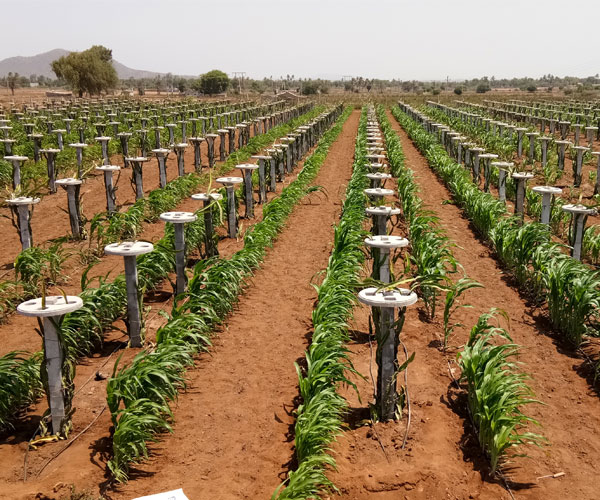
– Dragon fruit is a climbing cactus, so it needs a sturdy support structure like a trellis or Poll. The support should be about 4 to 5 feet tall.
5. Pruning :
– Prune your dragon fruit plants to remove dead or damaged branches and encourage new growth.
– This can also help manage the plant’s size and shape.
6. Harvesting :
– Dragon fruit typically takes around 1 to 1.5 years to start producing fruit.
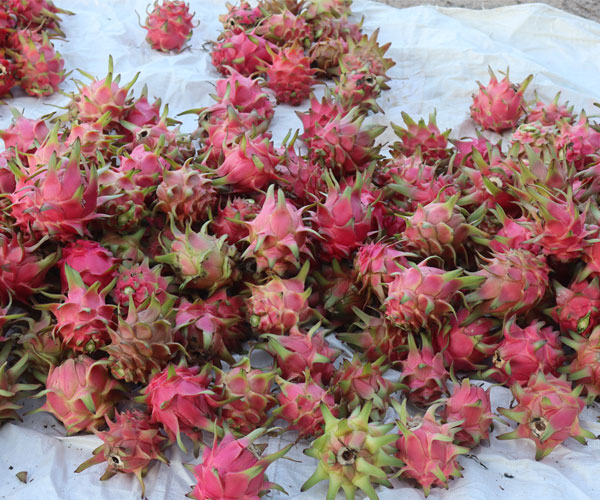
– Harvest when the fruit’s skin color changes to its mature hue (usually red or yellow), see the video
Remember that specific growing conditions may vary based on your location and climate. It’s important to adapt these guidelines to suit your local conditions for successful dragon fruit cultivation. You should ask Expert advice from Organic clinic
Plantation Size
1. Poll and Ring system
– 12 ft * 8 ft = 450 poll per Acer (4 plant per pole : total 1800 plant)
– 7 ft * 10 ft = 600 pole per Acer (4 plant per pole : total 2400 plant
2. Trellis system
Poll size 10 ft * 10 ft and GI pipe infrastructure ( Total plant : 4000 to 4500 per acer )
What is the pre-preparation of land for dragon fruit cultivation?
1. Site Selection :
Choose a well-draining site with full sun exposure. Dragon fruit plants require at least 6 hours of sunlight per day.
2. Soil Preparation :
Dragon fruit prefers sandy or loamy soil. Conduct a soil test to determine its pH and nutrient content. Amend the soil as needed to meet these requirements.
3. Clearing the Land :
Remove any weeds, rocks, or debris from the planting area to create a clean space for the dragon fruit plants.
4. Adding Organic Matter :
Incorporate organic matter such as compost or well-rotted manure into the soil to improve its fertility and water retention.
5. Installing Support Structures :
Dragon fruit plants need a trellis or support structure to grow on. Install sturdy support posts or trellises at the time of planting, as disturbing the roots later can be detrimental.
6. Planting :
Plant dragon fruit nursery plants in the prepared holes or trenches. Ensure they are planted at the same depth they were in their original containers.
7. Mulching :
Apply a layer of organic mulch around the plants to help retain moisture, suppress weeds, and regulate soil temperature.
Remember that dragon fruit cultivation may vary depending on your climate and local conditions, so it’s essential to adapt these steps accordingly. Additionally, seek guidance from local agricultural experts organic clinic team or extension services for region-specific recommendations.
What should be water management for Dragon fruit cultivation ?
2. Dragon fruit need regular watering, especially during dry spells. Use a drip irrigation system to provide a consistent water supply with a proper schedule directed by the expert.
3. It’s a good part of crop practice to take advice from the Organic clinic team for technical matters to irrigate Dragon fruit orchard during flowering and fruit stage.
What should be fertilizer management for Dragon fruit cultivation ?
for fertilizer program as per Land Analytic report to maintain the sustainable growth and appropriate yield while performing crop practice, for more information you can contact the organic clinic team.
What should be Pest and Disease management for Dragon fruit cultivation ?
Common Pests :
– Aphids : These small insects feed on plant sap, weakening the plant and transmitting viruses.
– Spider Mites : Tiny arachnids that suck plant juices, causing yellowing leaves and reduced growth.
– Mealybugs : White, cottony insects that feed on plant sap and excrete honeydew, attracting ants and promoting the growth of sooty mold.
– Scale Insects : Small, immobile insects that form hard, shell-like coverings. They feed on plant fluids, causing yellowing and stunted growth.
– Fruit Flies : These flies lay eggs in dragon fruit, leading to fruit damage and spoilage.
– Nematodes : Microscopic worms that live in the soil and can damage dragon fruit roots, affecting plant health and growth.
Common Diseases:
– Anthracnose : A fungal disease causing dark lesions on stems and fruit, leading to rotting.
– Brown Rot : A fungal disease that causes brown, sunken lesions on fruit, making it inedible.
– Root Rot : Caused by waterlogged soil, leading to the decay of roots and plant wilting.
– Powdery Mildew : A fungal disease forming white powdery patches on leaves, affecting photosynthesis.
– Bacterial Soft Rot : Bacteria enter wounds in the plant, causing soft, watery rot and a foul smell.
– Yellow Dragon Disease (YDD) : A viral disease transmitted by insects, leading to yellowing, wilting, and overall decline of the plant.
– Stem Canker : Fungal infection causing cankers on stems, weakening the plant’s structure.
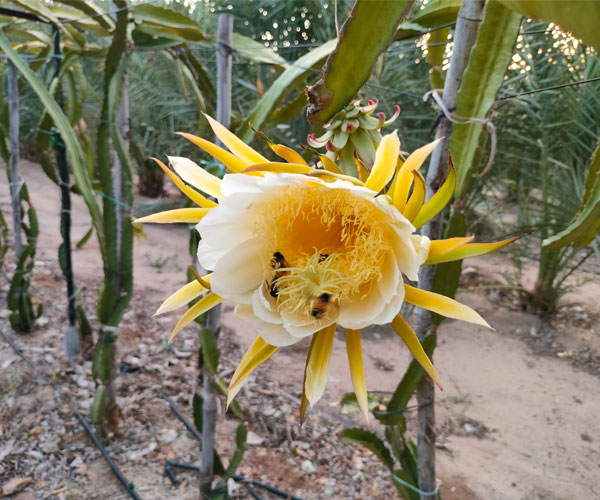
– Blossom Blight : Fungal disease affecting flowers, causing them to rot before fruit develops.
Consulting with Organic clinic team agricultural experts or extension services can provide region-specific advice tailored to the pests and diseases prevalent in your location.
What is the best intercrop for dragon fruit?
1. Legumes:
Leguminous plants like beans, peanuts, or clover can help fix nitrogen in the soil, improving its fertility for dragon fruit.
2. Herbs:
Culinary herbs such as basil, mint, or oregano can grow well in the partial shade beneath dragon fruit plants.
3. Ground Cover Plants:
Low-growing ground cover plants like sweet potato vines or strawberries can help control weeds and conserve moisture in the soil.
4. Vegetables:
You can grow shade-tolerant vegetables like lettuce, spinach, or kale beneath dragon fruit, taking advantage of the reduced sunlight.
5. Medicinal or Aromatic Plants:
Consider planting herbs like lavender or chamomile for their potential therapeutic or aromatic qualities.
6. Flowers:
Flowers like marigolds can act as natural pest repellents, helping to deter harmful insects.
When selecting intercrops, it’s essential to consider the specific conditions of your dragon fruit plantation, such as climate, soil type, and available space. Also, ensure that the intercrops do not compete excessively with the dragon fruit for nutrients, water, or sunlight. Crop rotation and companion planting strategies can be valuable for successful intercropping with dragon fruit.
What should be considered in post-harvest management for Dragon fruit crops ?
1. Harvesting :
– Harvest dragon fruit when it is fully ripe but still firm.
– Use sharp, clean tools to avoid bruising and damaging the fruit during harvest.
2. Handling :
– Handle the fruit gently to prevent bruising and skin damage.
– Sort the fruit based on size and quality for better marketability.
3. Cleaning :
– Wash the fruit with clean water to remove dirt and residues.
– Use a soft brush if necessary, but avoid excessive rubbing to prevent skin damage.
4. Drying :
– Allow the fruit to air dry or use clean, dry cloths to remove excess moisture.
– Excessive moisture can lead to fungal growth and spoilage.
5. Packaging :
– Pack dragon fruit in clean, dry containers or boxes with proper ventilation to prevent moisture buildup.
– Use packaging materials that provide cushioning to prevent bruising during transportation.
6. Storage :
– Store dragon fruit at temperatures around 10-15°C (50-59°F) to extend shelf life. However, avoid storing them below 8°C (46°F) as it can cause chilling injury.
– Maintain high humidity levels (about 90-95%) in storage rooms to prevent dehydration.
– Use ethylene absorbers or ethylene-blocking materials to minimize over-ripening.
7. Transportation :
– Handle the fruit carefully during transportation to prevent damage.
– Use proper packaging and cushioning materials to minimize bruising.
8. Quality Control :
– Regularly inspect stored fruit for signs of ripening, decay, or diseases.
– Remove damaged or spoiled fruit promptly to prevent the spread of decay.
9. Market Timing :
– Coordinate the timing of harvests with market demand to reduce storage time and enhance freshness.
By paying attention to these factors, farmers can significantly improve the quality of dragon fruit after harvest, ensuring better market prices and customer satisfaction.
What are the risks in the cultivation of dragon fruit?
1. Pest and Disease Management :
Dragon fruit plants can be susceptible to various pests and diseases, such as scale insects, mealybugs, and fungal infections. Effective pest and disease management strategies are essential.
2. Weather Extremes :
Extreme weather conditions, like heavy rainfall, drought, or strong winds, can damage dragon fruit plants and reduce yields. Proper irrigation and protection measures are crucial.
3. Climate Suitability :
Dragon fruit thrives in specific climatic conditions. Planting in regions with unfavorable climates can result in poor growth and fruit production.
4. Soil Quality :
Soil quality is essential for successful cultivation. Poor drainage, nutrient deficiencies, or soil pH issues can negatively impact plant health.
5. Competition with Weeds :
Weeds can compete with dragon fruit plants for nutrients and resources, affecting growth and yield. Weed control is crucial.
6. Market Fluctuations :
The market for dragon fruit can be subject to price fluctuations and competition. Farmers may need to adapt to changing market conditions.
7. Initial Investment :
Establishing dragon fruit farms can require a significant upfront investment in terms of infrastructure, trellising, and planting material.
8. Harvest Timing :
Timing the harvest is critical, as dragon fruit should be picked at the right level of ripeness to maximize flavor and shelf life. Delayed or premature harvesting can affect quality.
9. Transport and Storage :
Proper handling, packaging, and transportation of dragon fruit are crucial to prevent damage and spoilage before reaching the market.
To mitigate these risks, prospective dragon fruit growers should conduct thorough research, seek advice from experienced farmers or agricultural experts, and implement good agricultural practices. Additionally, diversifying crops or income sources can help reduce the overall risk associated with dragon fruit cultivation.
Picture Gallery